給湯器に632510406を正しく取り付けることで、安定した性能を確保できます。 電熱線. 作業を開始する前に、必ず電源を切断してください。 家電製品の加熱素子. 金中電熱 この部品は信頼できるメーカーが製造しており、評判の良い供給元からの部品のみを使用すべきです。 発熱体メーカー. 加熱エレメントは給湯システムにおいて重要な役割を果たすため、すべての安全対策を真剣に講じてください。.
加熱エレメント取り付け時の安全注意事項
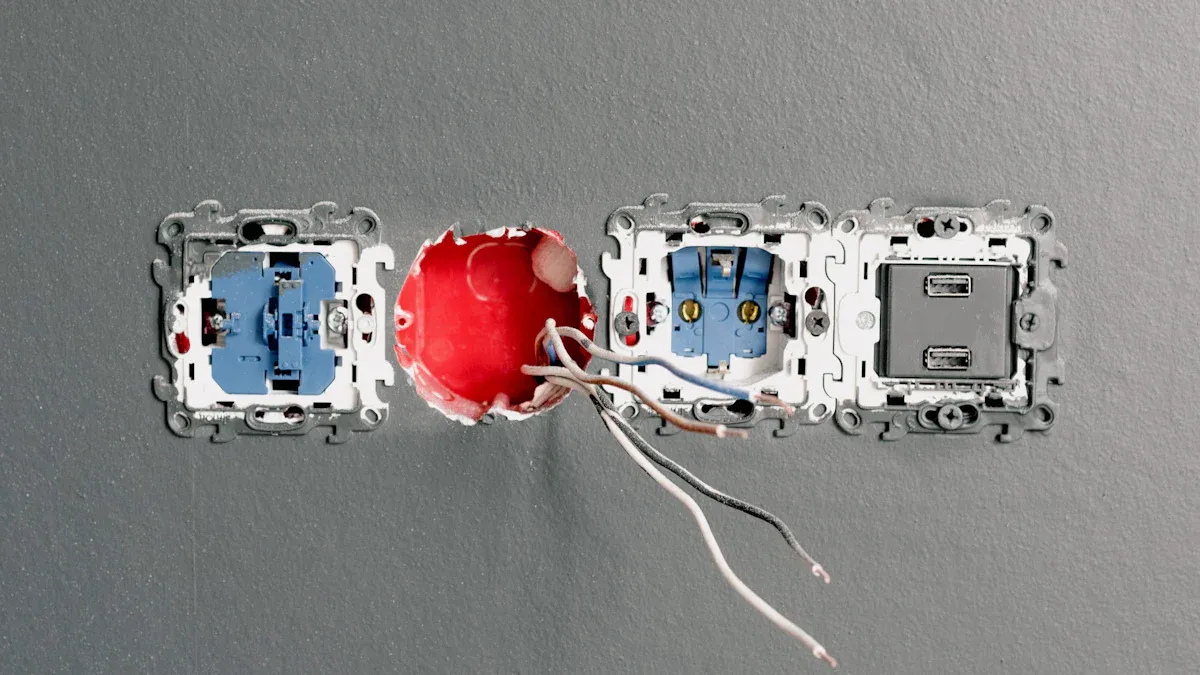
加熱エレメント交換時の電気的安全対策
給湯器への電源切断
給湯器での作業を開始する前に、必ず電源を切断しなければなりません。給湯器を制御する回路ブレーカーを特定し、それをオフにしてください。この手順により、偶発的な電気的危険を防ぎ、負傷から身を守ります。配線や部品に触れる前に、電圧テスターまたはマルチメーターを使用して、ユニットに電気が流れていないことを確認してください。.
ヒント 作業を進める前に、給湯器の端子で電源状態を再確認してください。ブレーカーを切ったからといって電源がオフになったと決して想定しないでください。.
取り付け時の感電防止
感電は、給湯器を扱う際に最も一般的な危険の一つです。露出した配線や端子には触れないようにしてください。手を乾燥した状態に保ち、可能な限り絶縁工具を使用してください。配線の損傷や腐食に気付いた場合は、新しい加熱エレメントを取り付ける前にこれらの問題に対処してください。.
- 電気的危険を避けるため、部品の点検やテストを行う前に必ず電源をオフにしてください。.
- 電気修理を行う際は、決して単独で作業しないでください。緊急時に備えて、近くに誰かを待機させてください。.
加熱エレメント取り付け用の個人用保護具
手袋と保護メガネの使用
個人用保護具(PPE)は安全において重要な役割を果たします。鋭利な端や電気接点から手を保護するために手袋を着用してください。安全ゴーグルなどの保護メガネは、破片や偶発的な飛沫から目を守ります。.
- 目と顔の保護:ゴーグル、溶接マスク、バイザー。.
- 手と足の保護:手袋、安全靴、滑り止め履物。.
適切な衣服の着用
腕と脚を覆う衣服を選んでください。給湯器の部品に引っかかる可能性のあるゆったりした袖や宝飾品は避けてください。狭いスペースで作業する場合は、追加の保護としてヘルメットの着用を検討してください。極端な温度で作業する場合は、防寒着や反射材付きの衣服が必要になることがあります。.
新しい加熱エレメントのための作業スペースの準備
給湯器周辺の作業エリアの整理
清潔で整理された作業スペースは事故を防ぐのに役立ちます。給湯器の周りから不要な物、工具、材料を取り除いてください。すべての接続ポイントをはっきりと確認できる十分な照明があることを確認してください。取り付け中に不必要な動きを避けるため、工具を手の届く範囲に配置してください。.
電気部品を扱う際の火災安全対策
電気修理は、適切に扱わないと火災のリスクをもたらす可能性があります。可燃性材料を給湯器とその周辺から遠ざけてください。電気火災に対応する消火器を近くに用意してください。取り付け中に焦げる臭いや煙が見えた場合は、直ちに作業を中止し、原因を調査してください。.
注: 安全は常に最優先されるべきです。いずれかの手順に不安がある場合は、作業を進める前に資格を持つ専門家に相談してください。.
加熱エレメントの交換または点検に必要な工具と材料
給湯器の加熱エレメントを交換または点検する準備をする際には、適切な工具と材料を集める必要があります。適切な機器を使用することで、スムーズな取り付けが確保され、一般的なミスを避けることができます。.
632510406加熱エレメント取り付け用の必須工具
加熱エレメント取り付け用のドライバー
加熱エレメントの取り付けネジを取り外し、固定するために、一連のドライバーが必要です。プラスドライバーとマイナスドライバーの両方を用意してください。これらの工具は、加熱エレメントのコンパートメントにアクセスし、取り付け金具を締めるのに役立ちます。絶縁ハンドル付きのドライバーは、さらなる安全層を追加します。.
電気接続用のワイヤーストリッパー
ワイヤーストリッパーを使用すると、電気配線を安全な接続のために準備できます。加熱エレメントの端子に取り付ける前に、ワイヤー端の絶縁体を取り除くためにこれらを使用します。この手順により、確実な電気的接触が確保され、緩い接続のリスクが軽減されます。.
加熱エレメントテスト用のマルチメーター
マルチメーターは、加熱エレメントの導通と適切な動作をテストするのに役立ちます。給湯器に電源を復旧する前に、新しい加熱エレメントが機能することを確認するためにこれを使用します。マルチメーターを適切なモードに設定し、端子間で一貫した読み取り値を確認してください。.
ヒント:取り付けを確定する前に、必ず加熱エレメントをテストしてください。この手順により、問題を早期に発見し、繰り返し修理を行うのを防ぐことができます。.
給湯器修理用の材料チェックリスト
交換を開始する前に、材料チェックリストを確認してください。すべてのアイテムを準備しておくことで、時間を節約し、プロセス中の中断を減らすことができます。.
- エレメントプラー
- ドライバー
- マルチメーター
- 非接触電圧テスター
- ソケットレンチ
- 新しい加熱エレメント
- 雑巾
632510406加熱エレメント交換
給湯器には正しい632510406加熱エレメントが必要です。取り付けを開始する前に、部品番号と互換性を確認してください。適切な加熱エレメントを使用することで、効率的な給湯と安定した性能が確保されます。.
新しい加熱エレメント用の取り付け金具
ネジやガスケットを含む、必要なすべての取り付け金具を集めてください。これらの部品は、加熱エレメントを所定の位置に固定し、漏れを防ぎます。使用前に金具に摩耗や損傷の兆候がないか点検してください。.
安全な取り付け用の電気コネクタ
加熱エレメントの端子に配線を取り付けるために、電気コネクタが必要です。ワイヤーゲージに適合し、しっかりとした接続を提供するコネクタを選んでください。適切なコネクタは、安全で安定した電気回路を維持するのに役立ちます。.
注記:開始する前に工具と材料を整理してください。準備の整った作業スペースは、加熱エレメントの交換を効率的に完了するのに役立ちます。.
新しい加熱エレメントのための給湯器の準備
632510406加熱エレメントの互換性の確認
632510406加熱エレメントを取り付ける前に、それが給湯器の要件に適合していることを確認する必要があります。互換性により、安全な動作と最適な性能が確保されます。.
給湯器の型番の確認
まず、給湯器の型番を特定してください。この情報は通常、ユニットの側面または背面に貼られたラベルに記載されています。型番が分かったら、ユーザーマニュアルまたはメーカーのウェブサイトで電圧とワット数の仕様を確認してください。これらの詳細を新しい加熱エレメントと一致させることで、電気的問題を防ぎ、効率的な加熱が確保されます。.
ヒント 元の加熱エレメントの仕様を交換部品と常に比較してください。この手順により、部品の不一致を避けることができます。.
以下は、ガイドとなる簡単なチェックリストです:
- 特定の給湯器モデルを特定する。.
- ラベルまたはユーザーマニュアルで電圧とワット数の仕様を確認する。.
- 新しいエレメントがこれらの仕様に一致することを確認する。.
加熱エレメントのメーカー指示の確認
メーカーは、加熱エレメントの取り付けと交換に関する詳細な指示を提供しています。開始する前にこれらのガイドラインを確認してください。推奨される電圧、ワット数、長さ、材質に特に注意を払ってください。最良の結果を得るためには、632510406加熱エレメントなどのOEM(相手先ブランド製造)交換品を使用することを強くお勧めします。.
以下の表を使用して、元の加熱エレメントと交換用エレメントを比較できます:
| 仕様 | 要件 |
|---|---|
| 電圧 | 元のエレメントと一致する必要があります |
| ワット数 | 元のエレメントと一致する必要があります |
| 長さ | 元のエレメントと一致する必要があります |
| 素材 | できれば元のものと同じであること |
- 取り付け前に必ず電圧とワット数を確認してください。.
- 可能な限り同一素材の要素を使用すること。.
- OEM交換用要素を強く推奨する。.
給湯器内の設置場所を特定する
互換性を確認した後、給湯器内の正しい設置場所を特定する必要がある。.
機器に安全にアクセスする
作業を開始する前に、給湯器のプラグを抜くか、回路ブレーカーを切ってください。使用中だった場合は、ユニットが冷めるまで待ってください。アクセスパネルやカバーを取り外し、加熱要素コンパートメントを露出させてください。作業スペースを整理整頓し、事故を防ぐために障害物をなくしてください。.
加熱要素の接続ポイントを特定する
給湯器内部の加熱要素の取り付け位置を探してください。配線が接続される端子または接続ポイントが見えます。作業を進める前に、これらのポイントがはっきりと見えることを確認してください。これらの接続を適切に特定することで、新しい加熱要素の安全で確実な設置が保証されます。.
注: 接続ポイントの位置がわからない場合は、給湯器のマニュアルを参照するか、製造元に問い合わせて指示を仰いでください。.
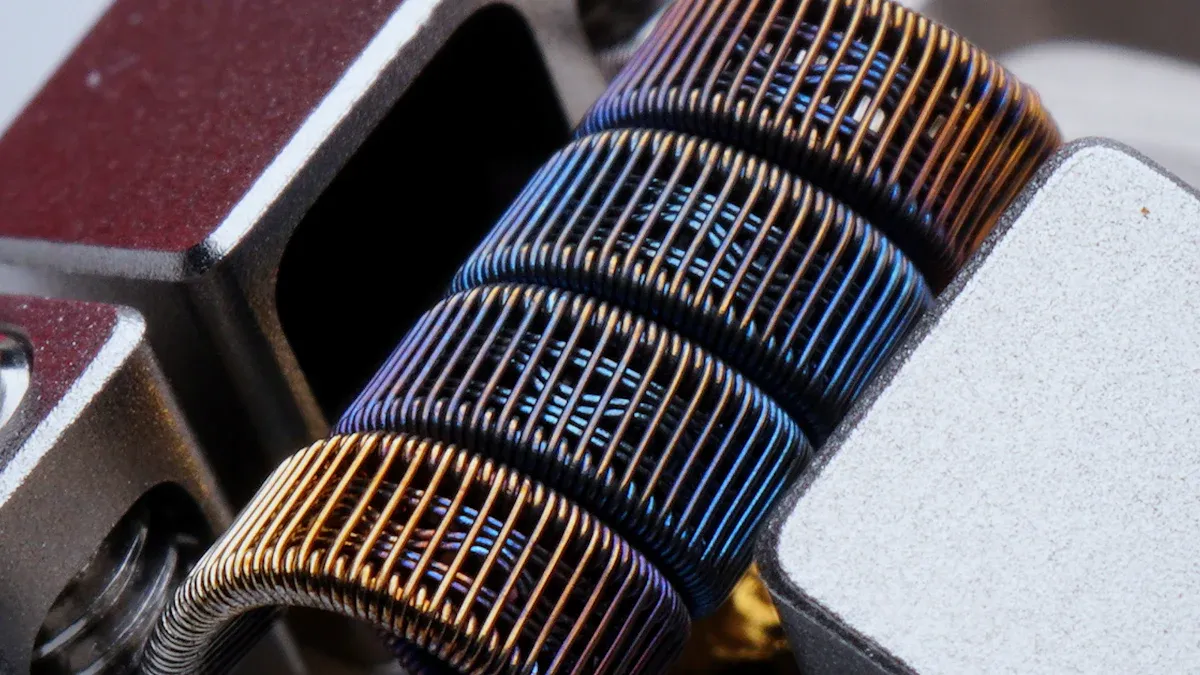
632510406 加熱要素の接続と操作に関するステップバイステップガイド
加熱要素設置前の電源遮断
給湯器への回路ブレーカーを切る
まず、給湯器へのすべての電源を遮断する必要があります。自宅の主電源パネルを探してください。電気給湯器に電力を供給している回路ブレーカーまたはヒューズを見つけ、それを切って、設置中の感電や加熱要素の損傷を防いでください。.
⚡ 安全に関する注意喚起 電源が入った状態で加熱要素の交換や点検を決して試みないでください。この手順を省略すると、致命的な感電が発生する可能性があります。.
以下の手順に従って、電源が完全に遮断されていることを確認してください:
- 電気給湯器への電源を切る 主電源パネルにて。.
- 回路ブレーカーまたはヒューズが「オフ」の位置にあることを確認する。.
- ユニットから水を抜く前に、給湯器への冷水供給を止めてください。.
加熱要素交換前に電源がオフであることを確認する
回路ブレーカーを切った後、給湯器に電気が流れていないことを確認する必要があります。非接触電圧テスターまたはマルチメーターを使用して端子を確認してください。テスターを配線に当て、読み取り値がゼロボルトであることを確認してください。.
ヒント 給湯器の端子で電源状態を必ず再確認してください。ブレーカーの位置だけに頼らないでください。.
電圧を検出した場合は、直ちに作業を中止し、原因を調査してください。ユニットが安全であると確信できた場合にのみ作業を進めてください。.
給湯器から古い加熱要素を取り外す
古い加熱要素から配線を外す
電源がオフであることを確認したら、取り外し作業を開始できます。給湯器のアクセスパネルを見つけてください。カバーを取り外し、加熱要素とその端子を露出させます。ドライバーを使用して、配線を固定しているネジを緩めてください。古い加熱要素から各配線を慎重に外してください。必要に応じて配線にラベルを付け、後で正しく再接続できるようにしてください。.
取り付けネジと古いシーラントの除去
加熱要素を固定している取り付けネジを取り外す必要があります。均等なトルクをかけるためにソケットレンチを使用してください。多くの技術者は、特に要素が腐食していたり固着している場合、グリップして回すのに困難を経験します。加熱要素の取り外しに苦労する場合は、浸透潤滑油を塗布するか、穏やかに熱を加えて緩めてください。.
- グリップとトルクのかけ方の困難さ は一般的です。.
- ボルト頭部に均等なトルクをかけるためにソケットを使用してください。.
- 頑固な要素には浸透潤滑油または熱が役立ちます。.
加熱要素を取り外した後、その領域に古いシーラントやゴミがないか点検してください。新しい加熱要素の設置に備えて、開口部を徹底的に清掃してください。作業を進める前に、タンク内の沈殿物や堆積物を取り除くためにフラッシングが必要な場合があります。.
給湯器に新しい加熱要素を取り付ける
632510406 加熱要素の端子に配線を取り付ける
新しい加熱要素を取り、開口部に配置します。端子を給湯器内部の接続ポイントに合わせてください。各配線を正しい端子に取り付けます。ドライバーを使用してネジをしっかりと締めてください。各配線が確実に固定され、緩い接続がないようにしてください。.
注: 再接続時のミスを防ぐために、配線のラベルを再確認してください。.
接続の固定と加熱要素の取り付け
取り付けネジを挿入し、ソケットレンチを使用して均等に締めてください。ガスケットがタンクに平らに密着し、漏れを防ぐことを確認してください。すべての接続の安定性を点検してください。新しい加熱要素は開口部にしっかりと収まる必要があります。締めすぎると、ねじ山やガスケットを損傷する可能性があるため、注意してください。.
新しい加熱要素を固定した後、コンパートメント内に残ったゴミや工具がないか確認してください。アクセスパネルを元に戻し、タンクの再充填準備をしてください。新しい加熱要素の焼損を防ぐため、電源を復旧する前にタンクに水を再充填する必要があります。.
🛠️ プロからのアドバイス: 電源を再投入する前に、必ず交換と再充填の手順を完了してください。この習慣は給湯器を保護し、安全な運転を保証します。.
適切な動作のための接続の再確認
加熱要素の緩んだ配線の点検
給湯器の電源を復旧する前に、すべての配線接続を点検する必要があります。配線の緩みは、性能低下や電気的危険を引き起こす可能性があります。まず、各端子を目視で確認し、動きや隙間の兆候がないか調べてください。ドライバーを使用して、各ネジの締め付け具合を優しくテストしてください。動いたりぐらついたりする配線を見つけた場合は、端子にしっかりと固定されるまで締めてください。.
ヒント 乾いた布で端子を拭き、汚れや腐食を取り除いてください。この手順により、電気的接触が改善され、将来の問題のリスクが軽減されます。.
加熱要素が確実に動作するように、電気接続を再確認するための以下のベストプラクティスに従ってください:
- 始める前に、マルチメーターを正しい抵抗範囲に設定してください。
- プローブの導通をテストして、動作することを確認します。
- 干渉を防ぐために、加熱要素からワイヤを外します。
- 端子を清掃して汚れや腐食を除去します。
- 信頼性の高い測定を行うために、すべてのワイヤ接続を締めます。
- 測定値に一貫性がない場合は、マルチメーターの電池を交換してください。
- プローブに損傷がないか検査し、必要に応じて交換します。
- テスト条件下でマルチメーターを校正します。
導通テストを行う前に、必ず配線を外す必要があります。これにより、誤った測定値を防ぎ、加熱要素自体の問題を特定するのに役立ちます。一貫性のない測定値に気付いた場合は、マルチメーターのバッテリーを確認し、プローブに損傷がないか点検してください。.
新しい加熱要素の適切な配置の確保
新しい加熱要素を適切に配置することで、効率的な動作が確保され、漏れが防止されます。ガスケットがタンク表面に平らに密着するように要素を配置してください。取り付けネジを締めすぎないように注意してください。ねじ山を損傷したり、ガスケットを変形させる可能性があります。要素が開口部にしっかりと収まり、ガスケットの一部が挟まれたり折れたりしていないことを確認する必要があります。.
🛡️ 注: 加熱要素の位置がずれていると、水漏れの原因となったり、加熱効率が低下したりする可能性があります。アクセスパネルを閉じる前に、必ず配置を確認してください。.
要素を固定した後、その領域に工具やゴミが残っていないか点検してください。アクセスパネルを元に戻し、すべての接続がしっかりと締まっていることを確認してください。電源を復旧する前に、タンクに水を再充填する必要があります。この手順により、加熱要素の空焚きが防止され、寿命が延びます。.
給湯器の電源復旧と加熱要素のテスト
設置後の電源復旧
給湯器の回路ブレーカーを入れる
新しい加熱要素を取り付け、すべての接続を固定した後、給湯器の電源を復旧する必要があります。安全で効果的なプロセスのために、以下の手順に従ってください:
- 給湯器タンクを再充填する. 。排水バルブを閉じ、次に冷水入口バルブを開けてください。少なくとも3分間、温水栓を開いたままにしてください。この手順により、システムから空気と沈殿物が排出されます。.
- 黒と白の回路配線が加熱要素のネジ端子にしっかりと接続されていることを確認してください。.
- サーモスタットカバーを再組み立てし、加熱要素のカバープレートを再度取り付けてください。.
- 給湯器の回路ブレーカーを入れてください。ユニットが数時間加熱されるのを待ちます。水温を確認し、適切に動作していることを確認してください。.
⚠️ ヒント タンクが満水になる前に電源を決して復旧しないでください。加熱要素の空焚きは、永久的な損傷を引き起こす可能性があります。.
加熱要素設置後の問題監視
電源を復旧したら、給湯器を注意深く監視してください。ポップ音やシュー音などの異常な音に耳を傾けてください。これらの音は、閉じ込められた空気や沈殿物を示している可能性があります。加熱要素とカバープレートの周囲に漏れがないか確認してください。数時間後に温水栓に触れ、水が期待通りに加熱されていることを確認してください。.
- そのエリアに水滴や湿気がないか点検してください。.
- 給湯器に温度計が付いている場合は、それを確認してください。.
- 電気的な問題を示す可能性のある焦げた臭いがないか嗅いで確認してください。.
何か問題に気付いた場合は、すぐに回路ブレーカーを切り、設置状況を点検してください。.
632510406 加熱エレメントの正常な機能をテストする
マルチメーターを使用して導通を確認する
設置後は常に加熱エレメントをテストし、正常に動作することを確認する必要があります。マルチメーターを使用して導通を確認してください。まず、給湯器への電源を切ります。加熱エレメントへのアクセスを妨げるパネルを取り外します。端子から配線を外し、その位置を覚えておいてください。.
マルチメーターを抵抗(オーム Ω)モードに設定します。. プローブを加熱エレメントの端子に当てます。測定値を給湯器の取扱説明書に指定された値と比較してください。正しい測定値は、加熱エレメントが正常に機能していることを意味します。開回路が表示されたり、測定値が推奨範囲を大幅に外れたりした場合は、部品の交換が必要になる可能性があります。.
給湯器の動作を観察する
加熱エレメントをテストした後、最初の加熱サイクル中に給湯器を観察してください。水が希望の温度に達することを確認します。回路ブレーカーが作動することなく安定して動作することを確認してください。漏れや異常な動作がないか確認します。.
🛠️ 注: 安定したお湯の供給と静かな動作は、設置が成功したことを示します。.
問題が検出された場合は、設置手順を見直すか、さらなるトラブルシューティングのために専門家に相談してください。.
加熱エレメントに関する一般的な問題のトラブルシューティング
設置後に加熱エレメントが動作しない
給湯器への電源供給を確認する
新しい加熱エレメントを設置した後、給湯器がお湯を生成しない状況に遭遇する可能性があります。まず、電源供給を確認してください。 回路ブレーカーの作動 またはヒューズの断線が、この問題の原因となることがよくあります。ブレーカーをリセットし、電気的な過負荷がないか点検してください。ブレーカーが再び作動する場合は、配線の問題や過剰な負荷についてさらに調査してください。.
- お湯が出ない一般的な理由:
- 回路ブレーカーの作動
- ヒューズの断線
- サーモスタット故障
ユニットに電力が供給されていない場合は、他のトラブルシューティング手順に進む前に、電気的な問題に対処してください。.
加熱エレメントの接続部を点検する
配線の緩みや不適切な接続は、加熱エレメントの動作を妨げる可能性があります。各端子を点検し、すべての配線がしっかりと固定されていることを確認してください。ドライバーを使用して、接続ポイントでの動きを確認します。腐食や損傷が見られる場合は、端子を清掃し、不良コネクタを交換してください。加熱エレメントの故障は、サーモスタットの不良や開回路が原因であることもあります。.
給湯器からの異常な騒音や異臭
加熱エレメントの過熱を特定する
ポップ音やゴロゴロ音などの異常な騒音は、多くの場合、 堆積物の蓄積 給湯器内部を示しています。. を行い、堆積物を除去します。 加熱エレメントを覆い過熱の原因となるミネラルを除去します。サーモスタットを安全な範囲(通常は120°F)に下げて、さらなる問題を防ぎます。過熱は加熱エレメントの故障につながり、給湯器の寿命を縮める可能性があります。.
給湯器内の緩んだ部品への対処
ガタガタ音やハム音は、部品や接続部の緩みを示している可能性があります。加熱エレメントを点検し、しっかりと取り付けられていることを確認してください。水圧を確認し、推奨範囲である40~80 PSI内に保ちます。緩んだ配管や継手を固定して、不要な音を排除します。漏れや持続的な異臭に気付いた場合は、電気的な問題や損傷した部品の可能性について調査してください。.
加熱エレメントの繰り返しの故障
給湯器の電気負荷を評価する
加熱エレメントの故障が繰り返し発生する場合、いくつかの要因が考えられます。堆積物の蓄積、電圧サージ、空焚き、経年劣化はすべて、加熱エレメントの故障を引き起こす可能性があります。タンクのフラッシングや電圧の監視などの定期的なメンテナンスは、これらの問題を防ぐのに役立ちます。タンク内に水がない状態で加熱エレメントを動作させないでください。急速な過熱につながります。.
加熱エレメントに関するメーカーサポートへの相談
コーヒーが温まらない 加熱エレメントが短期間に 複数回故障する場合は、メーカーに相談して指導を仰いでください。以下の表で推奨される対応を確認してください:
| 問題 | 推奨される措置 |
|---|---|
| 加熱エレメントが複数回故障する | 加熱エレメントを交換 |
| 電源供給の問題 | 電源供給に問題がないか確認する |
| 堆積物の蓄積 | 蓄積を防ぐために適切なメンテナンスを確保する |
メーカーサポートに連絡することで、専門家のアドバイスを受けられ、給湯器の根本的な問題を特定するのに役立つ場合があります。.
給湯器加熱エレメントのメンテナンスと安全な操作
加熱エレメントの交換または点検のための定期点検
加熱エレメントの摩耗を確認する
給湯器の専門家による点検を予定する必要があります。 少なくとも年に一度. この定期点検により、腐食、ひび割れ、ミネラルの蓄積など、加熱エレメントの摩耗の初期兆候を特定できます。年次点検により、小さな問題が大きな問題になる前に発見できます。専門家は、給湯器の種類に関わらず、毎年配管工に点検を依頼することを推奨しています。.
- 給湯器の年次点検を予定してください。.
- 腐食、ひび割れ、ミネラル堆積物がないか確認してください。.
- 著しい摩耗が見られる場合は、加熱エレメントを交換してください。.
定期的な点検は効率を向上させ、給湯器の寿命を延ばします。高額な修理のリスクを減らし、安定したお湯の供給を確保できます。.
給湯器の加熱エレメントの清掃
加熱エレメントの清掃は、最適な性能を維持するために不可欠です。時間の経過とともに堆積物やミネラルが蓄積し、熱伝達を低下させ、過熱を引き起こす可能性があります。効率の低下や異常な騒音に気付いた場合は、給湯器の水を抜き、加熱エレメントを取り外して清掃する必要があります。柔らかいブラシや布を使用して堆積物を取り除き、エレメントをしっかりと再取り付けしてください。.
| メンテナンス習慣 | 説明 |
|---|---|
| 清掃 | ほこりや汚染物質を取り除き、熱伝達効率を維持してください。. |
| 定期検査 | 摩耗、腐食、損傷の兆候がないか確認してください。. |
| 温度管理 | 過熱を防ぐため、指定された温度範囲内で動作させてください。. |
| 早期警告のための監視 | 温度変動や異音に注意し、問題を迅速に対処してください。. |
加熱要素を定期的に清掃・点検することで、早期故障を回避し、給湯器のスムーズな運転を維持できます。.
632510406加熱要素の安全使用上のヒント
給湯器の過度な使用の回避
加熱要素への不必要な負荷を防ぐため、給湯器の過度な使用は避けてください。サーモスタットを安全な温度(通常は約120°F)に設定することで、エネルギー消費を削減し、摩耗を最小限に抑えます。長時間のシャワーを控え、複数の高温水使用機器を同時に使用しないようにしてください。これらの習慣は給湯器の効率を維持し、加熱要素の寿命を延ばすのに役立ちます。.
予防保守により 給湯器の効率を最大25%向上させることができます. 。定期的なメンテナンスを実施している家庭では、緊急修理が少なく、安定した温水供給が得られています。.
加熱要素の性能監視
給湯器の性能を定期的に監視してください。水温、加熱時間、異常音に注意を払います。変動や持続的な問題に気付いた場合は、専門家による点検を予約してください。問題の早期発見により、深刻化する前に対処できます。エネルギー効率の向上、安全性の強化、給湯器の長寿命化といったメリットが得られます。.
- 堆積物やミネラル沈着物の除去による効率向上。.
- 定期的な点検とメンテナンスによる寿命延長。.
- 軽微な問題を早期に対処することで、高額修理のリスク低減。.
適切にメンテナンスされた給湯器は、 手入れされていないシステムに比べて最大20%長寿命化し、 コスト削減と環境負荷低減につながります。.
各ステップを注意深く実行することで、632510406加熱要素の安全かつ効果的な設置が保証されます。安全性を最優先し、不確実な場合は専門家の指導を求めてください。多くの情報源が ステップバイステップの手順, 、工具リスト、診断のヒントを提供しています。継続的な安全性のために、以下の重要な実践を覚えておいてください:
- サーモスタットを120°Fに設定する。 やけどのリスクを低減するため。.
- TPR弁を定期的にテストする。.
- 漏れや腐食を点検する。.
- 給湯器には専用回路を使用する。.
- ガス臭を監視し、ガス使用の場合はパイロット灯を確認する。.
定期的なメンテナンスは給湯器の効率的な運転を維持し、その寿命を延ばします。.
よくあるご質問
632510406加熱要素がお使いの給湯器に適合するかどうかは、どのように判断しますか?
給湯器の型番を確認し、632510406加熱要素に記載されている仕様と比較してください。設置前にメーカーの指示書を確認し、互換性を確認してください。.
ヒーター・エレメントの交換に必要な道具は何ですか?
ドライバー、ソケットレンチ、ワイヤーストリッパー、マルチメーターが必要です。取り付け用ハードウェアと電気コネクタを準備してください。交換作業を開始する前に作業スペースを整えてください。.
給湯器の水を抜かずに加熱要素を取り付けることはできますか?
加熱要素を交換する前に、給湯器の水を必ず抜いてください。このステップは水漏れを防ぎ、やけどや感電の危険から守ります。.
加熱要素はどのくらいの頻度で点検または交換すべきですか?
加熱要素は、摩耗、腐食、ミネラル堆積の兆候がないか、年に1回点検してください。損傷や加熱性能の低下が確認された場合は交換してください。.
設置後、加熱要素が水を加熱しない場合はどうすればよいですか?
電源を確認し、すべての配線接続を点検してください。マルチメーターを使用して導通テストを行ってください。問題が解決しない場合は、専門家に相談するか、メーカーに連絡してください。.
加熱要素を設置した直後に給湯器を運転するのは安全ですか?
タンクに水が満たされるまで待ってから電源を復旧させてください。加熱要素の空焚きは永久損傷の原因となります。ユニットの漏れと正常な動作を監視してください。.
加熱要素の寿命を延ばすにはどのようなメンテナンスが役立ちますか?
- 堆積物を除去するため、加熱要素を定期的に清掃する。.
- サーモスタットを120°Fに設定する。.
- 年次点検を予定する。.
- 高額修理を防ぐため、軽微な問題を迅速に対処する。.
どの加熱要素でも代替品として使用できますか?
お使いの給湯器の電圧、ワット数、材質仕様に一致する加熱要素のみを使用してください。632510406のような純正部品は、安全で効率的な運転を保証します。.