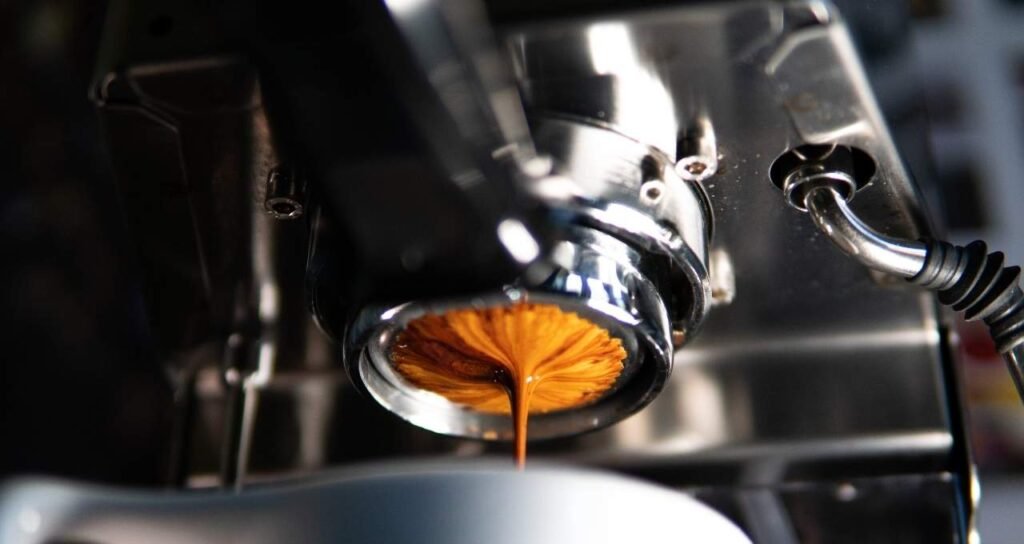
Beyond the Bean: The Unseen Influence of Heat on Your Cup
In the pursuit of the perfect cup of coffee, connoisseurs meticulously debate the origin of the beans, the precision of the grind, the quality of the water, and the method of brewing. Yet, hidden deep within the machine, an often-overlooked component wields a profound influence over the final taste: the heating element. This workhorse component is not merely a switch that makes water hot; its design, material, and performance are directly correlated with the nuances of flavor extracted from the coffee grounds.
The journey from a dormant, cold machine to a perfectly heated, stable brewing environment is governed entirely by this critical part. A subpar element can turn a high-potential specialty coffee into a disappointing, unbalanced brew, while a high-performance element can unlock its full spectrum of flavor. This analysis will explore the intricate relationship between the design of a [Coffee machine heating element] and the sensory experience in your cup. We will dissect how factors like power, material science, and thermal stability translate directly into acidity, sweetness, body, and bitterness, demonstrating that the engineering within the boiler is as crucial as the agronomy in the field.
The Science of Extraction: Why Temperature is the Master Variable
To understand the heating element’s role, one must first grasp the fundamentals of coffee extraction. Coffee grounds contain hundreds of soluble compounds, each contributing to the final flavor profile. These compounds extract at different rates and at different temperatures. The goal of brewing is to achieve a balanced extraction, capturing the desirable compounds while leaving the undesirable ones behind.
Temperature is the primary catalyst in this process. According to the Specialty Coffee Association (SCA), the ideal water temperature for optimal extraction is between 195°F and 205°F (90°C and 96°C). Deviations from this narrow window have a dramatic and predictable impact on flavor.
- Under-extraction (Too Cold): If the water is not hot enough, it will fail to dissolve many of the sugars and oils. The resulting brew will be dominated by the fast-extracting acids, leading to a taste that is sour, thin-bodied, and lacking in sweetness and complexity.
- Over-extraction (Too Hot): If the water is too hot, it will aggressively strip the grounds of everything, including bitter-tasting compounds like tannins and certain alkaloids. This results in a brew that is bitter, astringent, and hollow, masking the delicate origin flavors.
This delicate balance is illustrated in the following table:
| Temperature Range | Primary Compounds Extracted | Resulting Flavor Profile |
|---|---|---|
| Below 195°F / 90°C | Fruity Acids, some Maillard compounds | Sour, grassy, weak, under-developed, thin body |
| 195°F – 205°F / 90°C – 96°C | Acids, Sugars (Caramels), Oils, Maillard compounds | Balanced, sweet, vibrant acidity, full-bodied, complex |
| Above 205°F / 96°C | All of the above, plus Tannins and other bitter compounds | Bitter, astringent, harsh, burnt, loss of delicate notes |
The primary function of the [Heating Element] is therefore not just to heat water, but to deliver it to the coffee grounds at a precise and unwavering temperature within that “golden” window.
Anatomy of Performance: Key Heating Element Design Factors
The ability of an element to perform this function with precision is determined by its core design characteristics. Wattage, material composition, and physical geometry are not arbitrary choices; they are engineered decisions that directly influence thermal performance.
Wattage, Power Density, and Speed
The wattage of a heating element is a measure of its power output. A higher wattage generally translates to a faster heat-up time from a cold start. More importantly, it dictates the element’s recovery time—its ability to quickly bring the boiler back to the target temperature after a volume of water has been used for a shot or for steaming.
- Impact on Flavor: In a home or commercial setting, slow recovery is disastrous for consistency. If the element cannot keep up, the temperature will drop with each successive shot, leading to increasingly under-extracted, sour coffee. A high-wattage element ensures that the second and third shots are brewed at the same optimal temperature as the first, guaranteeing consistency.
A related, more advanced metric is power density (watts per square inch of surface area). An element with very high power density can heat water extremely quickly but runs the risk of creating “hot spots” on its surface. This can lead to localized boiling and scale formation, which can degrade the element and affect long-term temperature stability. Expert manufacturers balance wattage and surface area to achieve rapid heating without compromising longevity.
Material Composition: The Foundation of Purity and Durability
The material from which a heating element is made has significant implications for both heat transfer efficiency and the purity of the water.
- Copper: Traditionally favored for its excellent thermal conductivity, copper heats up very quickly. However, it is more susceptible to corrosion and scale buildup, especially in hard water. While often nickel-plated to mitigate this, any degradation of the plating could potentially expose the copper.
- Stainless Steel: This has become the standard for many modern, high-quality machines. While it has slightly lower thermal conductivity than copper, it offers far superior resistance to corrosion and limescale. Its inert nature ensures that no metallic tastes are imparted to the water, preserving the pure flavor of the coffee.
- Incoloy and Advanced Alloys: Found in many high-end commercial and prosumer machines, alloys like Incoloy (a nickel-chromium superalloy) represent the pinnacle of durability. They offer exceptional resistance to both corrosion and high temperatures, ensuring an incredibly long service life and stable performance even under heavy use.
The choice of material directly impacts flavor by preventing off-tastes and, crucially, by resisting the formation of scale buildup. Scale acts as an insulator, forcing the element to work harder and less efficiently, leading to inaccurate temperature readings and unstable performance over time.
Physical Geometry and Heat Distribution
The shape and placement of the element within the boiler are engineered for one primary purpose: uniform heat distribution. Whether it’s a long U-shape, a tight coil, or a complex multi-loop design, the goal is to maximize the surface area in contact with the water and to heat the entire volume as evenly as possible.
- Impact on Flavor: Poor geometry can lead to thermal stratification, where water at the top of the boiler is significantly hotter than water at the bottom. When the machine draws water for brewing, it may pull from a pocket that is outside the ideal temperature range, leading to an unpredictable and inconsistent extraction, even if the machine’s temperature probe reports an “ideal” average temperature.
Translating Design to Performance: The Metrics That Define Flavor
The design factors above culminate in two critical performance metrics that have the most direct and tangible effect on the taste of your coffee: temperature stability and thermal inertia.
Temperature Stability: The Key to Consistency
Temperature stability is the single most important performance characteristic for high-quality coffee extraction. It is the ability of the brewing system to maintain the set temperature with minimal fluctuation, both during a single shot and from one shot to the next.
Modern high-end machines achieve this by pairing a quality heating element with a PID (Proportional-Integral-Derivative) controller. The PID acts as a sophisticated brain, constantly monitoring the temperature and sending precise, rapid pulses of energy to the heating element to counteract any temperature drop.
Imagine a graph of brew temperature over time.
- A machine with a basic thermostat would show a jagged line, with wide temperature swings above and below the target as the element crudely switches fully on and fully off.
- A PID-controlled machine would show a nearly flat line, holding the temperature within a fraction of a degree.
This stability is what allows a barista to “dial in” a coffee with confidence, knowing that the water temperature is a constant, not a variable. It ensures that every part of the coffee puck is extracted evenly, unlocking a balanced and repeatable flavor profile.
Thermal Inertia and Recovery
Thermal inertia refers to the ability of the system to resist changes in temperature. A large, heavy brass or stainless steel boiler paired with a powerful [heating element coffee machine] will have high thermal inertia. When cold water enters the boiler to replenish what was used, the massive heated boiler and the powerful element work together to minimize the temperature drop and recover almost instantly.
- Impact on Flavor: For a café pulling shots back-to-back or a home user making multiple lattes for guests, this is critical. Low thermal inertia and slow recovery mean a significant waiting period is needed between shots to allow the temperature to stabilize. Rushing the process results in a temperature drop and a sour, under-extracted shot. A system with high inertia and fast recovery provides the thermal consistency needed for high-volume output without sacrificing quality.
The Manufacturer’s Mark: Precision, Purity, and Trust
Achieving the level of performance described above is not a matter of chance; it is the direct result of precision engineering and uncompromising quality control at the manufacturing level. The world’s leading coffee machine brands do not produce their own heating elements. Instead, they partner with a specialized [electric heating element manufacturer] that possesses the deep expertise required to produce these critical components to exacting specifications.
This is where a manufacturer like [Jinzho] exemplifies the pinnacle of the industry. With over three decades of dedicated experience, their approach highlights what separates a truly superior element from a generic replacement:
- Advanced Process Control: Implementation of 6sigma lean management and automated production lines minimizes manufacturing defects and ensures that every element produced meets the same high standard of quality and performance.
- Material Science and R&D: Collaboration with universities to develop new materials and technologies results in elements that are not only more durable but also more energy-efficient, providing faster and more stable heating.
- Verifiable Quality and Safety: Adherence to over 10 international certification standards (such as ISO, VDE, and UL) provides a verifiable guarantee of safety, reliability, and manufacturing excellence.
- Integrated Production: By controlling the entire manufacturing chain, from die-casting and stamping to final assembly, they can ensure material purity and dimensional accuracy at every step, leading to a more reliable final product.
When a coffee machine brand chooses an element from such a manufacturer, they are investing in the consistency and quality of the final product—the coffee in the cup.
Conclusion: The Engineered Heart of Flavor
The heating element is far more than a simple component; it is the engineered heart of the coffee machine, pumping lifeblood at a precise and stable temperature. Its design—from the power of its wattage to the inertness of its materials and the intelligence of its shape—is a series of deliberate choices that culminate in the final flavor profile of the coffee.
An understanding of this impact elevates the conversation beyond beans and grind, acknowledging the crucial role of thermal engineering. A stable, powerful, and well-designed heating system provides the consistent canvas upon which the true character of the coffee can be painted. The next time you savor a perfectly balanced espresso, with its vibrant acidity, rich sweetness, and clean finish, remember the unseen hero in the boiler, whose precise performance made that moment of sensory perfection possible.
Frequently Asked Questions (FAQ)
1. Can a failing heating element affect flavor before it stops working completely?
Absolutely. As an element ages or becomes coated in scale, its performance degrades. It may struggle to maintain a stable temperature, leading to unpredictable fluctuations. You might notice shots becoming intermittently sour or bitter, even with no changes to your coffee or grind. This inconsistency is often the first sign of a failing element.
2. Does a more expensive espresso machine always have a better heating element?
Generally, yes. Higher-end machines invest more in the entire thermal system. This often means boilers made of heavier materials (brass, stainless steel), more powerful heating elements made from superior alloys (like Incoloy), and the inclusion of PID temperature controllers. This combination provides the superior temperature stability that is a hallmark of prosumer and commercial equipment.
3. How exactly does limescale on the element impact coffee taste?
Limescale acts as an insulator on the element’s surface. This forces the element to overheat to transfer the same amount of energy to the water. This can cause the temperature sensors to give inaccurate readings and leads to poor temperature stability. The result is inconsistent brew temperatures, which directly translates to unpredictable and often poor-tasting coffee (sour or bitter).
4. Is there a “best” material for a coffee machine heating element?
There isn’t a single “best” material, but rather a best fit for the application. Copper offers the fastest heat transfer but requires more maintenance to prevent corrosion. Stainless steel offers an excellent balance of good thermal performance, durability, and corrosion resistance, making it a top choice for quality machines. Incoloy and other superalloys offer the absolute best in terms of longevity and resistance to scale and corrosion, but at a higher cost.
5. Can I upgrade my machine’s heating element for better flavor?
It is technically possible but can be complex. You must match the voltage, fitting size, and physical dimensions exactly. Crucially, you should never install an element with a higher wattage than the original, as the machine’s wiring, safety fuses, and control board are not designed for the increased electrical load, creating a significant fire hazard. A like-for-like replacement with a high-quality part is the safest approach.
6. What is the difference between a boiler with a heating element and a thermoblock or thermocoil?
A boiler is a reservoir of water kept at a stable temperature by an immersed heating element, offering high thermal stability. A thermoblock or thermocoil is an on-demand system that flash-heats a small amount of water as it passes through a metal block or coil. While thermoblocks heat up much faster from cold, they typically offer less temperature stability during the shot compared to a well-designed PID-controlled boiler system.
7. How does the heating element’s performance affect steam power for milk drinks?
Steam power is directly related to the temperature and pressure inside the boiler. A powerful heating element can heat the water to steam temperature (well above boiling, e.g., 255°F / 124°C) quickly and maintain high pressure even while steaming. A weak or scaled element will struggle, resulting in weak, wet steam and a significant drop in pressure, making it difficult to properly texture milk.
References:
- Stefano’s Espresso Care. (n.d.). Heating Elements for Espresso Machines. Retrieved from https://espressocare.com/collections/heating-elements
- Great Infusions Co. (n.d.). Home Espresso Replacement Heating Elements. Retrieved from https://greatinfusions.com/home-espresso-replacement-heating-elements/
- Chris’ Coffee. (n.d.). Coffee Boiler Heating Element. Retrieved from https://www.chriscoffee.com/products/rocket-coffee-boiler-heating-element
- Coffee Addicts. (n.d.). Elements. Retrieved from https://coffeeaddicts.ca/collections/elements
- Fix-It Club. (2006). How to Repair a Coffee Maker. HowStuffWorks. Retrieved from https://home.howstuffworks.com/how-to-repair-small-appliances3.htm
- Home-Barista.com. (n.d.). Testing heating element with multimeter. Retrieved from https://www.home-barista.com/repairs/testing-heating-element-with-multimeter-t58900.html
- Elekheat. (n.d.). Coffee Machine Heating Element. Retrieved from https://elekheat.com/coffee-machine-heating-element/
- The Espresso Shop. (n.d.). Heating Elements & Gaskets. Retrieved from https://theespressoshop.com/collections/heating-elements-gaskets
- Jinzho. (n.d.). Coffee Machine Heater Parts. Retrieved from https://jinzho.com/product/coffee-machine-heater-parts/
- iFixit. (n.d.). Cuisinart DCC-1200+ Heating Element Replacement. Retrieved from https://www.ifixit.com/Guide/Cuisinart+DCC-1200++Heating+Element+Replacement/105224