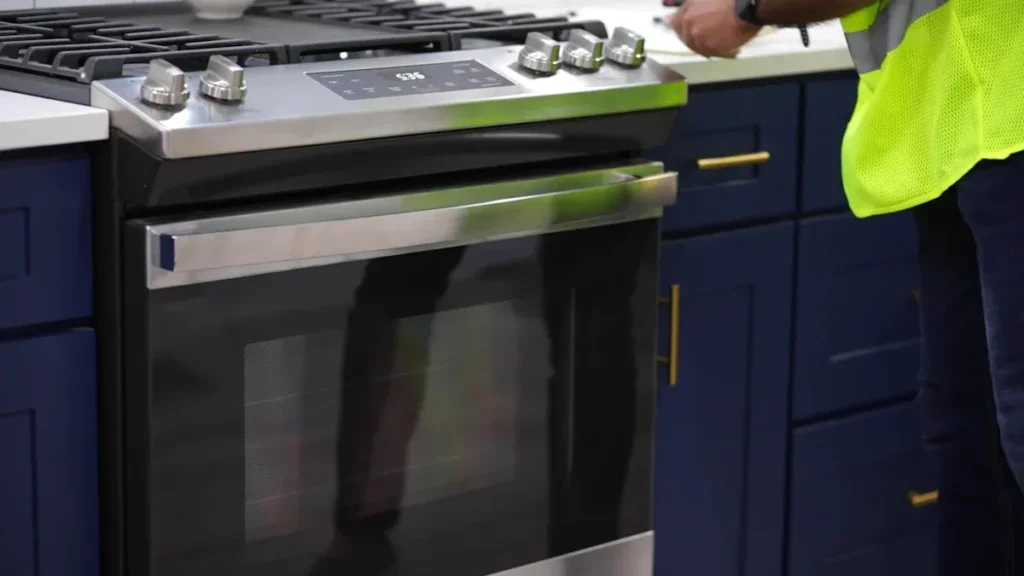
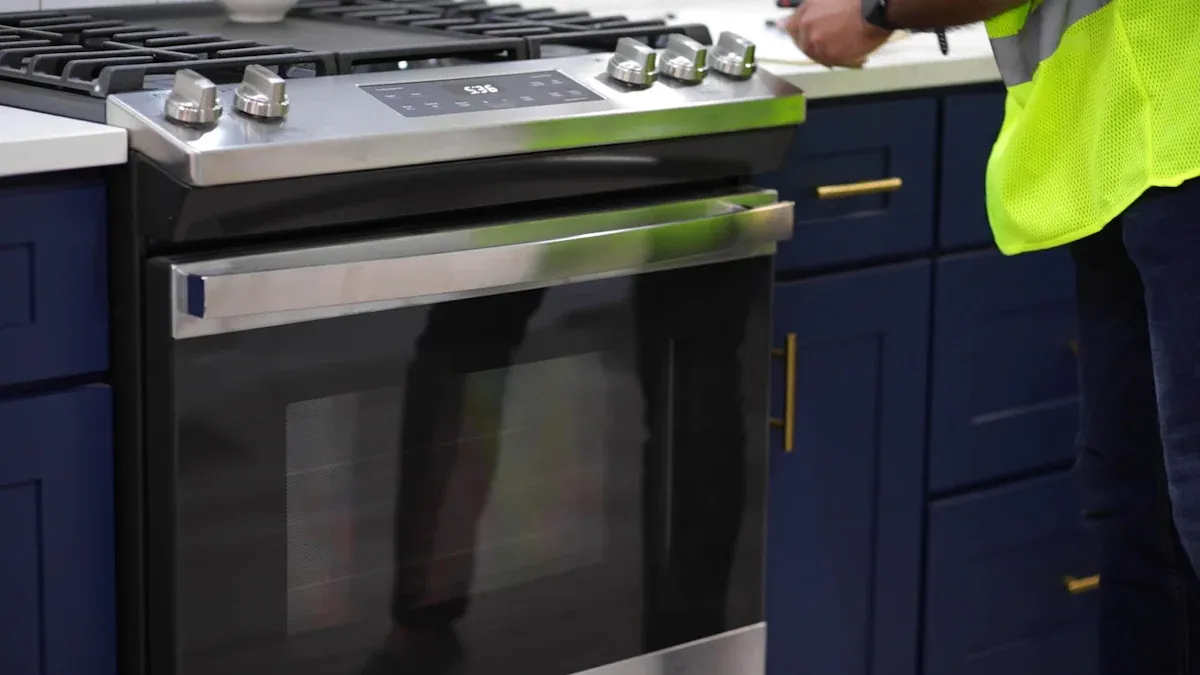
Vous vous demandez peut-être si le remplacement de l'élément chauffant de votre four en vaut la peine en termes de temps et d'efforts. Effectuer cette réparation peut vous faire économiser de l'argent et vous éviter d'attendre un technicien. Cependant, vous devez considérer les risques, tels que les dangers électriques et les erreurs possibles. De nombreux propriétaires réussissent ce projet, mais tout le monde ne se sent pas à l'aise pour travailler à l'intérieur d'un four ou manipuler des pièces électriques. Si vous êtes confiant et disposez d'outils de base, remplacer l'élément chauffant pourrait restaurer rapidement votre four.
Comprendre l'élément chauffant du four
Le rôle de l'élément chauffant dans votre four
Fonctionnement de l'élément chauffant
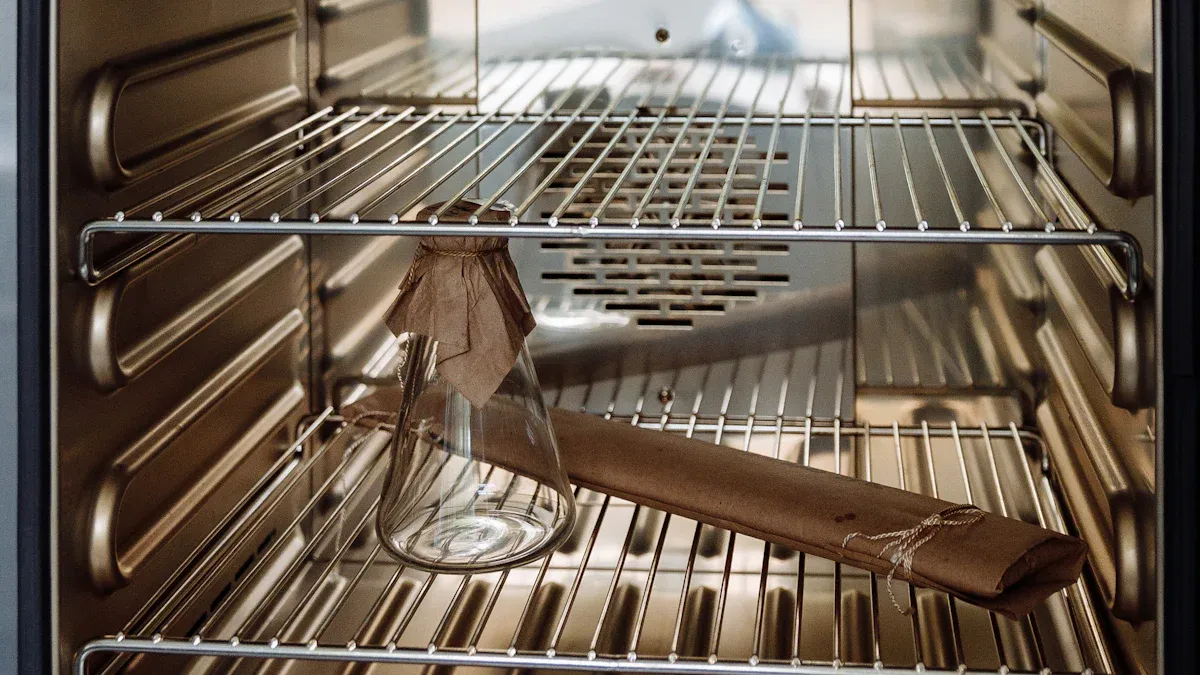
Vous comptez sur le four élément chauffant pour générer la chaleur nécessaire à la cuisson et au gril. Lorsque vous allumez votre four, l'électricité circule à travers l'élément, le faisant chauffer et rougir. L'élément de cuisson inférieur, situé au fond, fournit une chaleur constante et uniforme pour la plupart des tâches culinaires. L'élément de gril supérieur, situé en haut, délivre une chaleur directe intense pour le gril. Les deux éléments travaillent ensemble pour garantir que votre four atteigne et maintienne la température correcte.
Conseil : Si votre four ne chauffe pas correctement, vous devriez tester la continuité électrique de l'élément chauffant à l'aide d'un multimètre. Cette étape vous aide à confirmer si l'élément fonctionne comme source principale de chaleur.
Pourquoi il est important pour les performances du four
Un élément chauffant fonctionnel est essentiel pour des performances constantes du four. L'élément de cuisson agit comme la source de chaleur principale pour la plupart des fonctions, y compris les cycles de nettoyage automatique. Si l'élément tombe en panne, votre four ne peut pas atteindre ou maintenir la température définie. Vous pouvez remarquer une cuisson inégale ou des aliments qui restent crus. Les manuels de réparation d'appareils soulignent l'importance de l'élément de cuisson et recommandent une inspection professionnelle s'il cesse de fonctionner.
Où trouver l'élément chauffant dans votre four
Emplacements typiques à l'intérieur du four
Vous pouvez généralement repérer l'élément de cuisson inférieur au fond de la cavité du four. Il ressemble souvent à une tige métallique épaisse et exposée courant le long du plancher du four. L'élément de gril supérieur se trouve en haut et fournit une chaleur directe par le haut. Les deux éléments sont visibles dans la plupart des fours électriques, ce qui les rend faciles à identifier.
Comment identifier les éléments de cuisson et de gril
- L'élément de cuisson inférieur court le long du plancher du four et gère la plupart des tâches de chauffage.
- L'élément de gril supérieur se trouve en haut et fournit une chaleur directe et intense pour le gril.
- Les deux éléments sont essentiels pour un chauffage adéquat et une cuisson uniforme.
Si vous observez l'un ou l'autre élément présentant des dommages visibles, tels que des cloques ou des cassures, vous avez probablement un mauvais élément chauffant nécessitant un remplacement.
Signes courants indiquant que l'élément chauffant de votre four doit être remplacé
Symptômes d'un élément chauffant défectueux
Vous pouvez remarquer plusieurs signes avant-coureurs lorsque l'élément chauffant de votre four commence à faillir :
- Chauffage inégal ou une cuisson inégale, comme des dessus brûlés et des fonds crus sur les pâtisseries.
- Le four ne chauffe pas ou n'atteint pas la température définie.
- Les aliments cuisent de manière incohérente, ce qui indique souvent un mauvais élément chauffant.
- L'élément ne rougit pas lorsque le four est allumé.
Quand le remplacement est nécessaire
Le remplacement devient nécessaire lorsque vous observez ces symptômes ou qu'une inspection visuelle révèle des dommages. Si votre four continue de mal fonctionner après le dépannage, vous devriez envisager de remplacer l'élément de cuisson inférieur ou l'élément de gril. Des diagnostics professionnels et des pièces de qualité OEM aident à garantir un fonctionnement sûr et à restaurer un chauffage uniforme.
Les avantages de remplacer soi-même l'élément chauffant
Économies réalisées avec les réparations de four DIY
Combien vous pouvez économiser en remplaçant l'élément chauffant
Vous pouvez économiser une somme importante en effectuant vous-même les réparations du four. La principale dépense pour un projet DIY provient de l'achat de la pièce de rechange. La plupart des éléments chauffants pour fours électriques coûtent entre 10 et 50 €. Vous évitez de payer la main-d'œuvre, qui constitue souvent la plus grande partie d'une facture de réparation professionnelle. En choisissant de faire le travail vous-même, vous gardez plus d'argent dans votre poche et contrôlez le coût total de la réparation.
Comparaison des coûts DIY avec la réparation professionnelle de four
La différence de coût entre la réparation DIY et professionnelle devient claire lorsque l'on regarde les chiffres. Voici une comparaison simple :
| Type de réparation | Fourchette de prix (USD) | Remarques |
|---|---|---|
| Réparation professionnelle | $150 – $400 | Inclut la main-d'œuvre et l'assurance sécurité ; plus élevé dans les grandes villes en raison des coûts de main-d'œuvre |
| Pièces pour réparation DIY | 10 – 50 € | Coût des pièces uniquement ; pas de frais de main-d'œuvre |
| Économies réalisées en DIY | $50 – $200 | Économies estimées par rapport aux coûts de réparation professionnels |
Vous constatez que les réparations professionnelles peuvent coûter plusieurs fois plus cher que de le faire vous-même. Les économies sont encore plus importantes dans les grandes villes, où les taux horaires sont plus élevés. Bien que les professionnels offrent des garanties de sécurité, vous pouvez tout de même réaliser un remplacement sûr et efficace en suivant les instructions et les conseils de sécurité.
Commodité de gérer les réparations de four à domicile
Réparer votre four selon votre propre emploi du temps
Lorsque vous entreprenez vous-même les réparations du four, vous fixez votre propre calendrier. Vous n'avez pas besoin d'attendre qu'un technicien soit disponible ni d'adapter votre emploi du temps à celui de quelqu'un d'autre. Vous pouvez commencer le processus de remplacement dès que la pièce et les outils sont prêts. Cette flexibilité vous aide à remettre votre four en état de marche rapidement, surtout si vous en dépendez pour les repas quotidiens.
Pas d'attente pour des rendez-vous de réparation
Planifier une réparation professionnelle signifie souvent attendre des jours, voire des semaines, pour obtenir un rendez-vous. Pendant ce temps, votre four reste hors service. En remplaçant vous-même l'élément chauffant, vous évitez cet arrêt. Vous pouvez restaurer la fonction de votre four en une seule après-midi, ce qui maintient la routine de votre foyer sur les rails.
Conseil : Consultez toujours le manuel de votre four pour des instructions spécifiques avant de commencer toute réparation. Cette étape vous aide à éviter les erreurs et assure un processus de remplacement fluide.
Sentiment d'accomplissement après le remplacement de l'élément chauffant
Apprendre une nouvelle compétence en réparation domestique
Terminer un projet de remplacement vous donne une expérience précieuse. Vous apprenez comment fonctionne votre four et gagnez en confiance pour effectuer des réparations de base. De nombreux propriétaires rapportent que commencer par de petites réparations, comme remplacer un élément chauffant, développe leurs compétences et les prépare à des tâches d'entretien futures. Rassembler les bons outils et documenter chaque étape—comme prendre des photos pendant le démontage—rend le processus plus facile et moins stressant.
Être fier d'avoir réparé votre four
Vous ressentez une grande fierté lorsque vous réparez vous-même votre four. De nombreuses personnes citent plusieurs raisons à cette satisfaction :
- Économiser de l'argent en évitant les frais de réparation professionnels.
- Acquérir l'autonomie et la responsabilisation en tant que propriétaire
- Utilisez un tournevis, généralement cruciforme ou plat, pour retirer les vis qui fixent la résistance.
- Accédez au panneau arrière du four si nécessaire. Certains modèles nécessitent de retirer ce panneau pour atteindre le câblage.
- Déconnectez les fils attachés à la résistance. Ces fils peuvent utiliser des connecteurs à sertir ou à visser, donc des outils à main de base comme des pinces peuvent être utiles.
Isolez toute connexion de fil exposée avec du ruban électrique ou une gaine thermorétractable après les avoir déconnectées.
Testez la résistance et les connexions électriques avec un multimètre avant et après l'installation. Cet outil vous aide à confirmer que la nouvelle pièce fonctionne et que vous avez réalisé des connexions sûres.
Gardez une lampe de poche à proximité pour éclairer les zones difficiles à voir à l'intérieur du four.
Vous souhaitez que votre cuisine retrouve son état normal le plus rapidement possible. Lorsque vous remplacez vous-même la résistance du four, vous contrôlez le calendrier. Vous n'avez pas besoin d'attendre un technicien ni de prendre rendez-vous. La plupart des propriétaires peuvent effectuer cette réparation en moins d'une heure, même si c'est leur première fois. Vous n'avez besoin que de quelques outils de base et d'une pièce de rechange compatible.
Vous commencez par débrancher votre four et le laisser refroidir. Vous retirez quelques vis, déconnectez la résistance défectueuse et installez la nouvelle. Vous testez votre four pour confirmer la réparation. Ce processus ne nécessite pas de compétences avancées ni d'équipement spécial. Vous pouvez souvent trouver des guides étape par étape dans le manuel de votre four ou sur des sites Web d'appareils électroménagers réputés.
Remarque : Si vous préparez vos outils et votre pièce de rechange à l'avance, vous pouvez minimiser la durée pendant laquelle votre four reste hors service.
Éviter une longue période d'indisponibilité sans votre four
Vous comptez sur votre four pour les repas quotidiens, la pâtisserie et la préparation des repas. Une longue période d'indisponibilité perturbe votre routine et vous oblige à trouver des alternatives. Lorsque vous gérez la réparation vous-même, vous évitez d'attendre des jours ou des semaines un professionnel. Vous n'avez pas besoin de réorganiser votre emploi du temps ni de payer un supplément pour un service accéléré.
Voici quelques avantages d'une réparation rapide en bricolage :
- Vous rétablissez le fonctionnement de votre four le jour même où vous remarquez le problème.
- Vous évitez l'inconvénient de manger à l'extérieur ou d'utiliser de petits appareils pendant de longues périodes.
- Vous réduisez le risque de problèmes supplémentaires qui peuvent survenir lorsque votre four reste inutilisé.
Vous gagnez également la tranquillité d'esprit en sachant que vous avez résolu rapidement le problème de chauffage. Une action rapide vous aide à maintenir l'efficacité de votre cuisine et à assurer le bon fonctionnement de votre foyer.
Conseil : Vérifiez toujours que vous disposez de la résistance de rechange correcte pour votre modèle de four avant de commencer. Cette étape évite des retards inutiles.
Les inconvénients du remplacement de la résistance par vous-même
Risques de sécurité lors du travail sur votre four
Dangers électriques liés au remplacement de la résistance
Vous faites face à de réels risques électriques lorsque vous travaillez à l'intérieur de votre four. La résistance est directement connectée à l'alimentation électrique de votre maison. Si vous oubliez de débrancher le four ou de couper le disjoncteur, vous risquez une électrocution. Même après avoir débranché l'appareil, certains composants peuvent encore conserver une charge pendant un court instant. Vous devez toujours vérifier que le four est complètement déconnecté de l'alimentation avant de commencer tout remplacement. Toucher des fils sous tension peut provoquer des blessures graves, voire pire.
⚠️ Conseil de sécurité : Utilisez toujours des outils isolés et portez des chaussures à semelles en caoutchouc lorsque vous retirez ou installez des pièces électriques dans votre four.
Risque de brûlures ou de blessures lors de la réparation du four
Vous pouvez vous brûler si vous ne laissez pas le four refroidir avant de commencer la réparation. La résistance et les pièces métalliques environnantes retiennent la chaleur longtemps après avoir éteint l'appareil. Toucher ces surfaces chaudes peut provoquer des brûlures douloureuses. Vous risquez également des coupures ou des éraflures sur les bords tranchants à l'intérieur de la cavité du four. Portez toujours des gants et déplacez-vous lentement lorsque vous atteignez des espaces restreints. Si vous vous précipitez, vous augmentez votre risque de blessure.
Risque d'erreurs dans les réparations du four
Installation d'une résistance inadaptée
Vous devez sélectionner la pièce de rechange correcte pour votre modèle de four. Si vous installez une mauvaise résistance, votre four pourrait ne pas chauffer correctement ou même provoquer un court-circuit. Les fabricants conçoivent chaque élément pour des modèles spécifiques, donc une inadéquation peut entraîner des problèmes de performance ou des dommages. Vérifiez toujours le numéro de pièce et comparez-le au manuel de votre four avant d'acheter ou d'installer un nouvel élément.
- Vérifiez à nouveau le numéro de modèle sur votre four.
- Faites correspondre exactement le numéro de la pièce de rechange.
- Consultez le site Web du fabricant si vous avez des questions.
Endommager votre four lors du remplacement
Vous pouvez endommager votre four si vous utilisez les mauvais outils ou appliquez trop de force. Les vis peuvent se déformer ou se casser si vous utilisez un tournevis inadapté. Les fils peuvent se rompre si vous tirez trop fort. Si vous endommagez accidentellement le câblage ou les connecteurs, vous pourriez avoir besoin d'une réparation plus coûteuse. Vous devez toujours suivre les instructions étape par étape et éviter de forcer toute pièce qui semble bloquée. Si vous rencontrez des vis rouillées ou bloquées, appliquez une petite quantité d'huile pénétrante et attendez avant d'essayer de les retirer.
Remarque : Si vous vous sentez incertain à un moment donné, arrêtez-vous et consultez un professionnel. Cette étape peut éviter des erreurs coûteuses.
Problèmes de garantie liés aux réparations de four en bricolage
Comment le remplacement de la résistance peut affecter la garantie de votre four
Vous pouvez annuler la garantie de votre four si vous tentez une réparation en bricolage. De nombreux fabricants exigent que seuls des techniciens agréés effectuent les réparations pendant la période de garantie. Si vous ouvrez le four ou remplacez des pièces vous-même, l'entreprise peut refuser de couvrir les réparations futures. Vérifiez toujours les conditions de votre garantie avant de commencer. Si votre four est encore sous garantie, il pourrait être préférable d'appeler un professionnel.
Que vérifier dans le manuel de votre four avant de commencer
Vous devez lire attentivement le manuel de votre four avant d'entreprendre toute réparation. Le manuel indique souvent les réparations que vous pouvez effectuer vous-même et celles qui nécessitent un technicien. Recherchez les sections concernant la couverture de la garantie et les pièces de rechange approuvées. Le manuel peut également fournir des instructions étape par étape pour des réparations sûres. Si vous ne trouvez pas de directives claires, contactez le service client du fabricant pour obtenir des conseils.
📘 Conseil : Gardez votre manuel à portée de main pendant la réparation. Il peut vous aider à éviter les erreurs et à protéger votre garantie.
Exigences en matière d'outils et de compétences pour le remplacement de la résistance
Outils nécessaires pour le remplacement de la résistance du four
Vous avez besoin des bons outils pour garantir une réparation sûre et efficace. Les guides de réparation d'appareils électroménagers mettent systématiquement en évidence un ensemble d'outils de base et d'étapes de sécurité pour cette tâche. Voici une liste étape par étape de ce que vous devez avoir à portée de main :
1. Débranchez le four ou coupez le disjoncteur avant de commencer. Cette étape vous protège contre les chocs électriques.
🛠️ Conseil : Rassemblez tous vos outils avant de commencer. Cette préparation vous aide à éviter les interruptions et à maintenir le processus fluide.
Compétences de base requises pour une réparation sûre
Vous n'avez pas besoin d'une formation technique avancée pour remplacer une résistance de four, mais vous devez être à l'aise avec l'utilisation d'outils à main et le suivi des consignes de sécurité. Voici les compétences essentielles que vous devez posséder :
- Capacité à débrancher en toute sécurité les appareils et à identifier le bon disjoncteur.
- Confiance dans l'utilisation d'un tournevis pour retirer et installer des vis sans les déformer.
- Familiarité avec la déconnexion et la reconnexion de connecteurs électriques simples.
- Compréhension de base de l'utilisation d'un multimètre pour tester la continuité électrique.
- Attention aux détails lors de la manipulation des fils et de l'isolation des connexions.
- Patience et soin lors du travail dans des espaces restreints à l'intérieur du four.
Vous devez toujours lire le manuel de votre four avant de commencer. Le manuel fournit souvent des instructions spécifiques au modèle et des avertissements de sécurité. Si vous suivez chaque étape avec soin, vous pouvez effectuer le remplacement avec un risque minimal. Si vous vous sentez jamais incertain, arrêtez-vous et consultez un professionnel.
⚡ Remarque : Ne sautez jamais les étapes de sécurité. Vérifiez à nouveau que le four est débranché avant de toucher toute pièce interne.
À quoi s'attendre lors du remplacement de la résistance dans votre four
Outils nécessaires pour le remplacement de la résistance du four
Liste des outils courants pour cette tâche
Vous avez besoin de quelques outils de base pour effectuer une Remplacement de l'élément chauffant. La plupart des propriétaires les ont déjà dans leur boîte à outils. Rassemblez un tournevis cruciforme ou plat, une pince à bec effilé et un multimètre. Vous pouvez également vouloir des gants pour la protection et une lampe de poche pour voir à l'intérieur du four. Ces outils vous aident à retirer en toute sécurité les vis fixant la résistance du four et à déconnecter les fils de la résistance du four.
Où trouver ou acheter ces outils
Vous pouvez trouver ces outils dans n'importe quelle quincaillerie ou magasin de rénovation domiciliaire. De nombreux détaillants en ligne proposent également des kits d'outils conçus pour la réparation d'appareils électroménagers. Si vous ne possédez pas de multimètre, envisagez d'en emprunter un à un voisin ou de le louer dans une bibliothèque d'outils locale. Vérifiez toujours que vos outils correspondent aux vis et aux connecteurs de votre four avant de commencer.
Guide étape par étape pour remplacer l'élément chauffant
Éteindre et débrancher votre four
Commencez par assurer votre sécurité. Débranchez le four ou coupez le disjoncteur. Attendez que le four refroidisse complètement. Portez des gants pour protéger vos mains des bords tranchants et de la chaleur résiduelle.
Retirer l'ancien élément chauffant en toute sécurité
Ouvrez la porte du four et localisez l'élément chauffant défectueux. Retirez les grilles si elles bloquent l'accès. Utilisez votre tournevis pour retirer les vis qui maintiennent l'élément chauffant du four en place. Tirez délicatement l'élément vers l'avant. Ensuite, retirez les fils de l'élément chauffant du four en les déconnectant doucement avec une pince. Prenez une photo ou notez la position des fils pour faciliter le remontage.
Installer le nouvel élément chauffant du four
Glissez le nouvel élément en position, en l'alignant avec les trous de montage. Fixez les connecteurs de fil aux sondes de l'élément. Utilisez une pince si nécessaire pour garantir un ajustement serré. Fixez la plaque de montage avec des vis. Vérifiez toutes les connexions avant de poursuivre.
Tester votre four après le remplacement
Avant de remonter le four, utilisez un multimètre pour tester la continuité électrique du nouvel élément chauffant. Cette étape confirme une installation sûre et efficace. Replacez toutes les pièces retirées, comme les grilles ou les panneaux. Rétablissez l'alimentation du four. Réglez le four en mode cuisson et observez l'élément. Il devrait chauffer uniformément, indiquant un remplacement réussi de l'élément chauffant.
🛠️ Conseil : Suivez toujours le manuel de votre four pour les instructions spécifiques à votre modèle.
Défis courants lors du remplacement de l'élément chauffant du four
Gérer les vis bloquées ou rouillées
Vous pouvez rencontrer des vis qui refusent de bouger. Appliquez une petite quantité d'huile pénétrante et attendez quelques minutes. Utilisez la taille de tournevis appropriée pour éviter d'endommager la tête de vis. Travaillez lentement et appliquez une pression constante.
Pièces difficiles d'accès à l'intérieur du four
Certains fours ont des éléments cachés derrière des panneaux ou dans des espaces restreints. Utilisez une lampe de poche pour améliorer la visibilité. Des outils à long manche peuvent vous aider à atteindre les endroits difficiles. Prenez votre temps pour éviter d'endommager les fils ou les connecteurs.
Dépannage si votre four ne fonctionne toujours pas
Si votre four ne chauffe pas après le remplacement, vérifiez toutes les connexions. Confirmez que vous avez rétabli l'alimentation et que l'élément est installé correctement. Utilisez votre multimètre pour tester la continuité électrique. Si les problèmes persistent, consultez le manuel de votre four ou contactez un professionnel pour un diagnostic plus approfondi.
Quand faire appel à un professionnel pour le remplacement de l'élément chauffant du four
Signes de problèmes plus graves avec votre four
Problèmes électriques au-delà de l'élément chauffant
Vous pouvez remarquer que votre four ne chauffe toujours pas après avoir remplacé l'élément chauffant. Cette situation indique souvent des problèmes électriques qui vont au-delà d'un simple échange de pièce. Des problèmes tels qu'un câblage défectueux, des cartes de commande défaillantes ou des thermostats endommagés nécessitent des outils de diagnostic spécialisés et une expertise. Les professionnels peuvent rapidement identifier ces problèmes complexes en utilisant l'historique des réparations et des équipements avancés. Si vous soupçonnez un problème électrique plus profond, vous devez cesser d'utiliser votre four et contacter un technicien qualifié. Cette étape vous aide à éviter d'autres dommages et garantit votre sécurité.
Four ne fonctionnant pas après le remplacement de l'élément chauffant
Si votre four reste non fonctionnel après avoir installé un nouvel élément chauffant, vous êtes confronté à un signe clair que le problème est plus profond. Des tentatives de bricolage répétées et infructueuses peuvent entraîner de la frustration et même causer des dommages supplémentaires à votre four. Les services de réparation d'électroménagers professionnels offrent des réparations garanties et une tranquillité d'esprit. Ils manipulent les composants électriques complexes en toute sécurité et protègent votre investissement. Lorsque votre four ne fonctionne toujours pas après un remplacement, faire appel à un professionnel devient un investissement rentable.
⚠️ Alerte: Des problèmes persistants après une réparation de bricolage peuvent annuler votre garantie et augmenter les coûts de réparation. Envisagez toujours l'aide d'un professionnel si votre four ne fonctionne pas après le remplacement de l'élément chauffant.
Décider si vous êtes à l'aise avec les réparations de four de bricolage
Comment savoir si vous êtes prêt à essayer de remplacer l'élément chauffant
Vous devez évaluer votre niveau de confort avant de commencer toute réparation sur votre four électrique. Posez-vous ces questions :
- Vous sentez-vous confiant dans l'utilisation d'outils à main et le respect des consignes de sécurité ?
- Pouvez-vous identifier et déconnecter les connexions électriques en toute sécurité ?
- Avez-vous lu le manuel de votre four et compris les étapes de remplacement ?
Si vous répondez oui à ces questions, vous êtes peut-être prêt à tenter un remplacement de bricolage. Si vous hésitez ou ne vous sentez pas sûr, vous devriez envisager une assistance professionnelle.
Quand il est préférable de demander l'aide d'un professionnel
Vous devez appeler un professionnel si :
- Vous n'êtes pas à l'aise avec le travail sur des composants électriques.
- Vous ne pouvez pas identifier la source du problème après avoir remplacé l'élément chauffant.
- Votre four présente des signes de problèmes multiples ou récurrents.
- Vous souhaitez maintenir la couverture de garantie de votre four.
Les professionnels apportent de l'expérience et des outils de diagnostic qui aident à résoudre efficacement les problèmes complexes. Ils réduisent également le risque de blessures et de dommages supplémentaires.
Comparaison des coûts : Réparation de four de bricolage vs professionnelle
Peser les coûts de le faire soi-même
Les réparations de bricolage vous font souvent économiser de l'argent sur la main-d'œuvre, en particulier pour des tâches simples comme le remplacement d'un élément chauffant. Cependant, des tentatives infructueuses répétées peuvent entraîner des dépenses supplémentaires et des dommages potentiels à votre four. Si vous devez faire appel à un professionnel après une réparation de bricolage infructueuse, vos coûts totaux peuvent augmenter.
Valeur à long terme de la réparation professionnelle du four
Les réparations professionnelles peuvent prolonger la durée de vie de votre four, surtout lorsque le problème est mineur et isolé. Cependant, des réparations fréquentes peuvent signaler des problèmes plus profonds qui deviennent coûteux avec le temps. La “ Règle des 50 % ” suggère que si les coûts de réparation dépassent la moitié de la valeur de votre four, le remplacement est plus rentable. Investir dans un nouveau four offre des avantages tels qu'une meilleure efficacité énergétique, des fonctionnalités modernes et une nouvelle garantie. Considérez l'impact financier à long terme, y compris les coûts de réparation récurrents par rapport à l'investissement initial d'un remplacement.
| Option de réparation | Fourchette de coûts typique | Valeur à long terme |
|---|---|---|
| Remplacement DIY | 10 – 50 € | Rentable pour les réparations simples |
| Réparation professionnelle | 100 € – 500 €+ | Garantie, sûr, mais moins économique à long terme |
| Nouveau four | $500+ | Coût initial plus élevé, besoins de réparation futurs plus faibles |
💡 Conseil : Pesez la fréquence des réparations et l'âge de votre four avant de décider entre réparation et remplacement.
Conseils de sécurité pour le remplacement de l'élément chauffant dans votre four
Préparer votre four pour un remplacement en toute sécurité
Débrancher et refroidir votre four
Vous devez toujours prioriser la sécurité avant de commencer toute réparation sur votre four. Commencez par couper l'alimentation au niveau du panneau électrique. N'essayez jamais d'effectuer des étapes de réparation alors que l'alimentation est encore allumée. Après avoir coupé l'alimentation, attendez que le four refroidisse complètement. Les surfaces chaudes peuvent provoquer des brûlures, la patience est donc essentielle. Utilisez un voltmètre pour vérifier qu'aucun courant électrique ne persiste sur les fils avant de procéder. Cette étape garantit que vous évitez les chocs accidentels.
⚠️ Conseil : Vérifiez toujours la source d'alimentation. Même si vous débranchez le four, confirmez avec un voltmètre que les fils peuvent être touchés en toute sécurité.
Suivre les instructions du fabricant
Chaque modèle de four a des caractéristiques et des schémas de câblage uniques. Vous devez lire attentivement les instructions du fabricant avant de commencer. Le manuel fournit des conseils étape par étape et met en évidence les précautions de sécurité spécifiques à votre appareil. Suivre ces instructions vous aide à éviter les erreurs et garantit un processus de remplacement fluide. Gardez le manuel à portée de main pendant la réparation pour une référence rapide.
Éviter les dangers courants lors des réparations de four
Manipulation sécurisée des pièces électriques
Les risques électriques représentent les dangers les plus graves lors des réparations de four. Des connexions desserrées ou un câblage endommagé peuvent provoquer un chauffage irrégulier, voire un incendie. Débranchez toujours l'alimentation avant d'inspecter ou de manipuler des pièces électriques. Vérifiez le cordon d'alimentation et le bornier pour détecter tout dommage visible. Remplacez tout câblage usé ou effiloché. Si vous avez un doute concernant un composant électrique, contactez un technicien professionnel.
Se protéger des brûlures et des blessures
Des blessures physiques peuvent survenir si vous vous précipitez ou négligez les mesures de sécurité de base. Des éléments chauffants fissurés ou cassés peuvent entraîner un chauffage inefficace ou une panne. Inspectez l'élément et le câblage avant de commencer. Retirez soigneusement les panneaux intérieurs pour accéder aux zones difficiles d'accès. Les odeurs de surchauffe ou de brûlé signalent souvent une isolation fondue ou une accumulation de débris alimentaires. Nettoyez régulièrement l'intérieur du four et inspectez la ventilation pour éviter ces problèmes. Si vous remarquez des déclenchements fréquents du disjoncteur, vérifiez que la puissance nominale de votre four correspond au disjoncteur et inspectez le câblage pour détecter tout dommage.
Voici un résumé des Dangers courants et comment les éviter:
| Danger courant | Description | Comment l'éviter / Mesures de sécurité |
|---|---|---|
| Risques électriques | Connexions desserrées, mauvais câblage provoquant un chauffage irrégulier ou un risque d'incendie. | Débranchez l'alimentation avant l'inspection ; vérifiez le cordon d'alimentation et le bornier ; remplacez le câblage ou les connecteurs endommagés ; appelez un professionnel en cas de doute. |
| Dommages physiques à l'élément | Fissures ou cassures dues à l'usure ou aux chocs entraînant un chauffage inefficace ou une panne. | Inspectez le câblage et l'élément ; retirez les panneaux intérieurs pour accéder ; appelez un professionnel si vous ne pouvez pas remplacer en toute sécurité. |
| Surchauffe ou odeurs de brûlé | Élément ou isolation fondue, accumulation de débris alimentaires entraînant de mauvaises performances et un risque de sécurité. | Éteignez et débranchez l'alimentation ; nettoyez régulièrement l'intérieur du four ; inspectez et dégagez la ventilation ; appelez un professionnel si le problème persiste. |
| Déclenchement fréquent du disjoncteur | Surcharge due à des courts-circuits, des composants défectueux ou des circuits surchargés. | Vérifiez que la puissance nominale du four correspond au disjoncteur ; inspectez le disjoncteur et le câblage pour détecter tout dommage ; assurez un circuit dédié ; appelez un professionnel si le disjoncteur se déclenche à plusieurs reprises. |
🛡️ Remarque : Prendre les bonnes précautions de sécurité vous protège des risques électriques et des blessures physiques. Ne sautez jamais ces étapes, même si vous vous sentez confiant.
Comment entretenir votre four après avoir remplacé l'élément chauffant
Maintenir votre four en bon état
Conseils de nettoyage régulier pour votre four
Vous pouvez prolonger la durée de vie de votre four et de son nouvel élément chauffant en suivant quelques étapes d'entretien essentielles. Un nettoyage régulier empêche l'accumulation de graisse et de débris alimentaires, ce qui aide l'élément à fonctionner efficacement et réduit la consommation d'énergie. Voici quelques bonnes pratiques :
- Essuyez les déversements dès que le four refroidit pour éviter les taches tenaces et l'accumulation de graisse.
- Évitez d'utiliser la fonction d'autonettoyage, car la chaleur extrême peut réduire la durée de vie de l'élément chauffant. Nettoyez les grilles et les surfaces intérieures manuellement.
- Nettoyez ou remplacez les lèchefrites lorsqu'elles deviennent sales. Ne les enveloppez jamais dans du papier aluminium, car cela pourrait provoquer des courts-circuits.
- Inspectez et entretenez les joints de porte pour maintenir la chaleur à l'intérieur, ce qui réduit la contrainte sur le four et garde votre cuisine plus fraîche.
- Utilisez un parasurtenseur pour protéger votre four des surtensions qui pourraient endommager l'élément chauffant.
- Envisagez une garantie habitation pour couvrir les pannes imprévues et garantir l'accès à des réparations professionnelles.
🧽 Conseil : Un nettoyage et un entretien constants vous aident à éviter des réparations coûteuses et à maintenir votre four en bon état de fonctionnement.
Comment repérer les premiers signes de problèmes de l'élément chauffant
Vous devez surveiller les signes d'alerte précoces indiquant un problème avec l'élément chauffant de votre four. Une cuisson inégale, des temps de préchauffage plus longs ou des dommages visibles tels que des cloques ou des cassures sur l'élément signalent des problèmes potentiels. Si vous remarquez ces symptômes, inspectez attentivement l'élément et consultez votre manuel d'utilisation pour les étapes de dépannage. Une détection précoce vous permet de résoudre les problèmes avant qu'ils ne nécessitent un remplacement complet.
Quand vérifier ou remplacer à nouveau l'élément chauffant du four
Signes qu'un autre remplacement est nécessaire
Vous devrez peut-être envisager un autre remplacement si vous observez ce qui suit :
- Le four n'atteint pas ou ne maintient pas la température réglée.
- L'élément chauffant ne rougit pas ou présente des dommages visibles.
- Les aliments cuisent de manière inégale ou prennent beaucoup plus de temps que d'habitude.
- Vous entendez des bruits inhabituels ou détectez des odeurs de brûlé pendant le fonctionnement.
Une attention rapide à ces signes vous aide à maintenir des performances de four sûres et efficaces.
Prévenir les problèmes futurs du four
Les fabricants recommandent de suivre le calendrier d'entretien de votre manuel d'utilisation. Des inspections visuelles régulières vous aident à repérer la saleté, les éléments desserrés ou déformés, et à garantir que les bornes restent serrées. Bien qu'il n'existe pas de calendrier universel pour vérifier ou remplacer l'élément chauffant, un entretien périodique basé sur les directives de votre manuel maintient votre four en parfait état. Une approche proactive en matière d'entretien et d'inspections réduit le risque de pannes imprévues et prolonge la durée de vie de votre appareil.
🔍 Remarque : Référez-vous toujours au manuel de votre four pour des conseils d'entretien et des calendriers spécifiques au modèle.
Vous réalisez des économies, gagnez en flexibilité et ressentez un sentiment d'accomplissement lorsque vous remplacez vous-même un élément chauffant. Cependant, vous faites également face à des risques de sécurité et à un potentiel d'erreurs. Ce projet convient à de nombreux propriétaires qui se sentent à l'aise avec les outils de base et les mesures de sécurité. Si vous avez des doutes ou remarquez des problèmes plus importants avec votre four, contactez un professionnel. Donnez toujours la priorité à la sécurité et suivez votre manuel pour de meilleurs résultats.
FAQ
Comment savoir si l’élément chauffant de votre four est défectueux ?
Vous pouvez remarquer une cuisson inégale, des temps de préchauffage plus longs ou des dommages visibles comme des cloques ou des cassures. L'élément peut ne pas rougir lorsqu'il est utilisé. Ces signes indiquent un élément chauffant défectueux.
Pouvez-vous remplacer un élément chauffant de four sans aide professionnelle ?
Oui, vous pouvez le remplacer vous-même si vous êtes à l'aise avec l'utilisation d'outils de base et le respect des mesures de sécurité. Débranchez toujours le four d'abord et suivez les instructions de votre manuel.
Combien de temps faut-il pour remplacer un élément chauffant de four ?
La plupart des propriétaires terminent le remplacement en moins d'une heure. La préparation et le fait d'avoir les bons outils prêts peuvent accélérer le processus.
Avez-vous besoin d'outils spéciaux pour remplacer un élément chauffant ?
Vous avez besoin d'un tournevis, d'une pince à bec effilé et d'un multimètre. Des gants et une lampe de poche aident pour la sécurité et la visibilité. La plupart des outils sont courants dans les boîtes à outils domestiques.
Le remplacement de l'élément chauffant annule-t-il la garantie de votre four ?
Si votre four est sous garantie, les réparations DIY peuvent annuler la couverture. Vérifiez toujours les conditions de votre garantie et le manuel avant de commencer toute réparation.
Que faire si votre four ne fonctionne toujours pas après avoir remplacé l'élément ?
Revérifiez toutes les connexions et testez le nouvel élément avec un multimètre. Si le four ne fonctionne toujours pas, contactez un professionnel. Le problème peut concerner le câblage ou les cartes de commande.
À quelle fréquence devez-vous vérifier ou remplacer l'élément chauffant de votre four ?
Inspectez l'élément lors du nettoyage régulier. Remplacez-le si vous constatez des dommages ou une baisse de performance. Il n'existe pas de calendrier défini, mais une détection précoce évite des problèmes plus importants.
Est-il sûr d'utiliser votre four si l'élément chauffant semble endommagé ?
Non, vous ne devez pas utiliser le four si l'élément présente des dommages visibles. Utiliser un élément endommagé peut provoquer des risques électriques ou endommager davantage l'appareil.
🛠️ Conseil : Suivez toujours les consignes de sécurité et consultez le manuel de votre four pour des conseils spécifiques au modèle.