Usted desea que sus jacuzzis proporcionen un calor confiable cada vez que ingrese en ellos. Elemento calefactor El cuidado juega un papel crucial en la comodidad y el rendimiento de los spas, incluidos los jacuzzis portátiles y los jacuzzis inflables. Expertos de la industria de Calefacción eléctrica Jinzhong y líderes fabricantes de elementos calefactores destacan que la limpieza, inspección y alineación regulares previenen la corrosión y daños costosos.
- El mantenimiento adecuado de elementos calefactores de electrodomésticos las tinas y los spas prolonga su vida útil y evita el calentamiento desigual o fallas.
Conceptos Básicos del Elemento Calefactor para Jacuzzis
¿Qué es un Elemento Calefactor de Jacuzzi?
Cómo Funcionan los Elementos Calefactores en los Jacuzzis
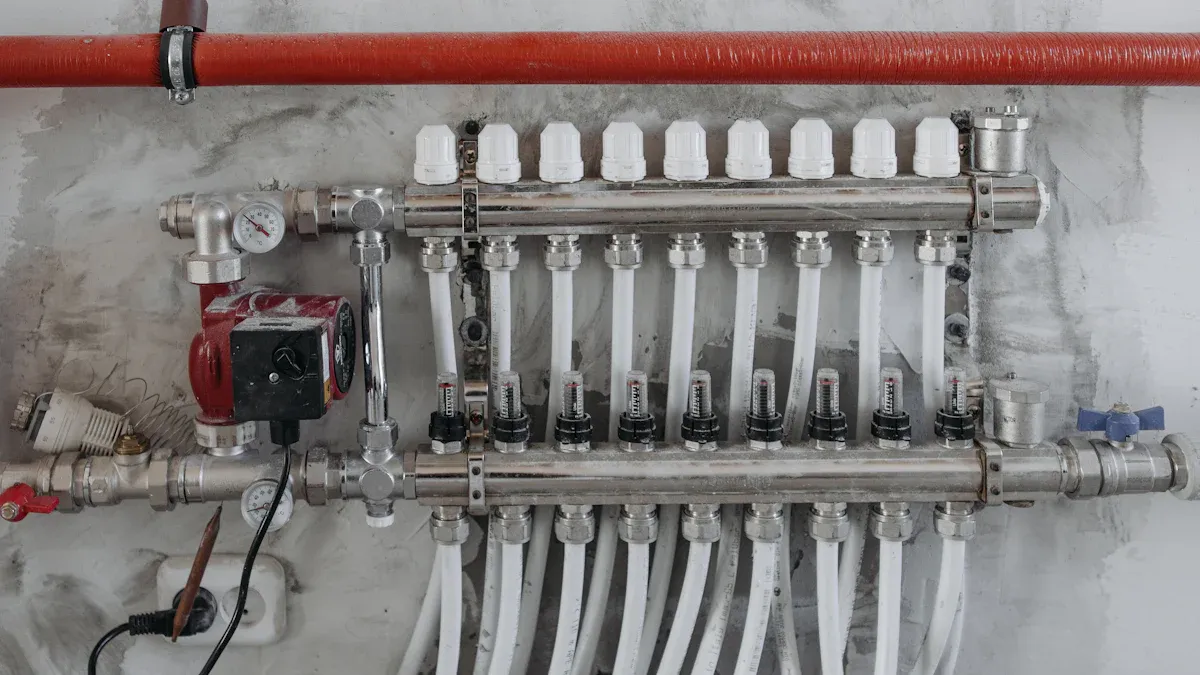
A elemento calefactor sirve como el núcleo del sistema de calefacción de su jacuzzi. Cuando enciende su spa, la electricidad fluye a través del elemento calefactor, que generalmente está hecho de materiales como titanio o Incoloy. La resistencia eléctrica del elemento hace que se caliente. Luego, el agua pasa sobre o alrededor del elemento, absorbiendo este calor antes de volver a circular hacia la tina. Un termostato monitorea la temperatura del agua y enciende o apaga el calentador para mantener el agua dentro de su rango preferido. El panel de control le permite configurar la temperatura y gestionar el funcionamiento del calentador. Las características de seguridad, como sensores de temperatura e interruptores de límite máximo, lo protegen al evitar que el agua se caliente demasiado.
Consejo: Verifique siempre que su bomba de circulación funcione correctamente. Un buen flujo de agua asegura un calentamiento uniforme y evita daños a los elemento calefactor.
Aquí hay una visión general rápida de los componentes principales y sus funciones:
| Componente | Función |
|---|---|
| Elemento calefactor | Bobina de resistencia eléctrica hecha de titanio, acero inoxidable o nicromo que convierte la energía eléctrica en calor. |
| Flujo de Agua | El agua pasa sobre o alrededor del elemento calefactor para absorber calor y hacer circular agua caliente de vuelta a la tina. |
| Termostato | Monitorea la temperatura del agua y enciende/apaga el calentador para mantener un rango de temperatura seguro y confortable. |
| Panel de Control | Permite a los usuarios establecer la temperatura deseada y gestionar el funcionamiento del calentador. |
| Bomba de circulación | Bombea agua caliente de vuelta al jacuzzi a través de los chorros para una distribución uniforme del calor. |
| Características de seguridad | Incluye sensores de temperatura e interruptores de límite máximo para evitar el sobrecalentamiento. |
Tipos de Elementos Calefactores (Incoloy, Titanio)
Encontrará dos tipos principales de elementos calefactores en jacuzzis y spas: Incoloy y titanio. Los elementos de Incoloy, hechos de una aleación de níquel-hierro, ofrecen un rendimiento sólido y resisten la corrosión en condiciones normales. Los elementos de titanio proporcionan una resistencia superior a la corrosión, especialmente en tinas con sistemas de agua salada o fluctuaciones químicas frecuentes. Si posee jacuzzis portátiles o jacuzzis inflables, puede notar que los fabricantes a menudo eligen titanio por su durabilidad y larga vida útil.
Por Qué los Elementos Calefactores son Importantes para los Jacuzzis
Confort y Consistencia
Un elemento calefactor confiable asegura que su spa proporcione un calor constante cada vez que lo use. Puede relajarse sabiendo que el agua alcanzará y mantendrá la temperatura deseada, ya sea que use su tina para hidroterapia o esparcimiento. El calentamiento constante también evita puntos fríos, que pueden afectar su comodidad y disfrute.
Eficiencia energética y ahorro de costos
Los elementos calefactores representan la mayor parte de la energía utilizada en los jacuzzis. Los spas modernos utilizan calentadores avanzados y sistemas de control inteligente para optimizar los horarios de calefacción y reducir los costos de energía. Un aislamiento de alta calidad, combinado con un elemento calefactor eficiente, ayuda a prevenir la pérdida de calor y mantiene bajos los gastos operativos. Cuando elige el elemento calefactor adecuado y lo mantiene bien, disfruta de facturas de energía más bajas y una experiencia de spa más sostenible.
Limpieza y Mantenimiento Regulares para Elementos Calefactores de Jacuzzis
Por Qué es Importante Limpiar su Elemento Calefactor
Prevención de Incrustaciones y Acumulación
Protege el rendimiento de su jacuzzi cuando previene la acumulación de incrustaciones y minerales en el elemento calefactor. Los minerales en su agua pueden depositarse en la superficie del elemento, creando una barrera que reduce la transferencia de calor. Con el tiempo, esta acumulación obliga al calentador a trabajar más, lo que aumenta el uso de energía y acorta la vida útil de su equipo. La limpieza regular mantiene su sistema funcionando de manera eficiente y le ayuda a evitar reparaciones costosas.
Cómo prolongar la vida útil de su elemento calefactor
El mantenimiento rutinario prolonga la vida del sistema de calefacción de su jacuzzi. Cuando limpia e inspecciona el elemento, detecta pequeños problemas antes de que se conviertan en problemas mayores. También mantiene agua segura y limpia, lo que protege tanto al calentador como a otros componentes de sus spas. Aquí hay algunos beneficios comprobados de la limpieza y el mantenimiento regulares:
- Asegura un funcionamiento eficiente y reduce el consumo de energía.
- Mantiene agua segura y limpia y previene el crecimiento de bacterias.
- Prolonga la vida útil de los componentes de calefacción y otras partes.
- Le ayuda a detectar problemas temprano, evitando reparaciones costosas.
- Mejora la seguridad general al prevenir accidentes y fallas del equipo.
Cómo Limpiar un Elemento Calefactor de Jacuzzi
Instrucciones de Limpieza Paso a Paso
Puede limpiar su elemento calefactor siguiendo estos pasos:
- Apague la alimentación eléctrica de su jacuzzi en el disyuntor.
- Drene el agua de la tina para acceder al calentador.
- Retire el panel de acceso y localice el elemento calefactor.
- Inspeccione el elemento en busca de incrustaciones o residuos visibles.
- Use un cepillo suave o un paño para eliminar suavemente la acumulación suelta.
- Para incrustaciones difíciles, sumerja el elemento en una solución de vinagre blanco y agua durante 30 minutos.
- Enjuague el elemento completamente con agua limpia.
- Vuelva a instalar el elemento, coloque el panel de acceso y rellene la tina.
- Restaure la alimentación eléctrica y pruebe el sistema para verificar su funcionamiento adecuado.
Consejo: Use siempre guantes y gafas de seguridad al manipular soluciones de limpieza o trabajar cerca de componentes eléctricos.
Herramientas y Productos Recomendados
Obtiene los mejores resultados con las herramientas y productos adecuados:
- Cepillo de cerdas suaves o paño no abrasivo
- Vinagre blanco o una solución desincrustante segura para spa
- Agua limpia para enjuagar
- Destornillador para retirar paneles
- Guantes protectores y gafas de seguridad
Señales de que su elemento calefactor necesita mantenimiento
Señales de advertencia a las que prestar atención
Debe estar atento a estos indicadores comunes de que su elemento calefactor requiere atención:
- Sin calor o producción de calor reducida
- Disparo inesperado del disyuntor GFCI
- Daño visible o corrosión en el elemento
- Temperatura del agua irregular
- Ruidos inusuales provenientes del área del calentador
Estas señales suelen apuntar a problemas como acumulación de sarro, corrosión o flujo de agua deficiente. Abordarlos a tiempo evita daños mayores.
Cuándo llamar a un profesional
Debe llamar a un profesional si nota problemas persistentes de calentamiento, daños visibles o problemas eléctricos. Un técnico certificado puede realizar una inspección completa, identificar componentes defectuosos y garantizar que su jacuzzi funcione de manera segura. El servicio profesional también le ayuda a evitar riesgos de seguridad y prolonga la vida útil de su equipo.
Monitoree la química del agua en jacuzzis
Cómo afecta la química del agua a los elementos calefactores
Los peligros del agua desequilibrada
Debe prestar mucha atención a la química del agua del jacuzzi para proteger su elemento calefactor. El agua desequilibrada puede causar corrosión, acumulación de sarro y cortocircuitos. Cuando el pH baja de 7.2 o sube de 7.8, el elemento calefactor corre un mayor riesgo de sufrir daños. Un pH bajo provoca corrosión, mientras que un pH alto favorece los depósitos minerales. Ambos problemas reducen la eficiencia del calentador y acortan su vida útil. Incluso los elementos calefactores de titanio, conocidos por su durabilidad, requieren una química del agua equilibrada para evitar la acumulación de sarro que restringe la transferencia de calor.
Consejo: Un pH equilibrado (7.4-7.6) y una alcalinidad (80-120 ppm) previenen la mayoría de las fallas del elemento calefactor.
Problemas comunes de la química del agua
Se encuentra con varios problemas comunes al mantener la química del agua del jacuzzi:
- Los niveles de pH inadecuados causan corrosión y dañan el elemento calefactor.
- El agua dura provoca acumulación de sarro mineral, que aísla el elemento y lo obliga a trabajar más.
- La alcalinidad y los niveles de desinfectante desequilibrados contribuyen a la formación de sarro y corrosión.
- El bajo flujo de agua debido a filtros sucios o tuberías obstruidas perjudica el funcionamiento del calentador y puede simular una falla del mismo.
Las pruebas y el ajuste regulares del pH, la alcalinidad y los niveles de desinfectante le ayudan a evitar estos problemas. El uso de preventivos de manchas y sarro aptos para spa también protege su elemento calefactor.
Prueba y ajuste de la química del agua del jacuzzi
Métodos de Prueba Simples
Puede probar la química del agua del jacuzzi usando tiras reactivas o kits de prueba líquidos. Recoja una muestra desde la profundidad del codo para obtener una lectura precisa. Pruebe el pH, la alcalinidad, la dureza del calcio y los niveles de desinfectante. Siga las instrucciones del fabricante para medir las cantidades de productos químicos con precisión. Agregue los productos químicos directamente al agua y deje los chorros funcionando durante al menos 20 minutos para mezclarlos completamente. Vuelva a probar antes de usar el jacuzzi para confirmar que los niveles estén dentro de los rangos recomendados.
Ajuste del pH, la alcalinidad y el calcio
Debería ajuste primero el pH, apuntando a un rango de 7.4-7.6. Use incrementadores o reductores de pH según sea necesario. A continuación, verifique la alcalinidad total, que debe estar entre 80-120 ppm. Ajuste con incrementador de alcalinidad o bicarbonato. Pruebe la dureza del calcio, apuntando a 100-250 ppm, para proteger su elemento calefactor y otros componentes. Agregue los productos químicos de manera uniforme sobre la superficie del agua con los chorros encendidos, luego espere 30-60 minutos antes de volver a probar. Mantenga los niveles de desinfectante con cloro o bromo para mantener el agua limpia y segura.
Cuidado rutinario del agua para elementos calefactores de jacuzzis
Con qué frecuencia probar el agua
Debería pruebe la química del agua del jacuzzi al menos una vez por semana. Esta rutina le ayuda a mantener un pH y una alcalinidad equilibrados, previniendo la corrosión y la acumulación de sarro. Las inspecciones visuales mensuales del elemento calefactor le permiten detectar decoloración, óxido o sarro a tiempo. Programe una inspección profesional y pruebas de componentes al menos una vez al año para garantizar un rendimiento óptimo.
Prevención de problemas futuros
Puede prevenir problemas en el elemento calefactor siguiendo estas mejores prácticas:
- Use un prefiltro al llenar el jacuzzi para reducir la ingesta de calcio y minerales.
- Aplique preventivos de manchas y sarro aptos para spa regularmente.
- Equilibre la química del agua después de cada recarga, enfocándose en la dureza del calcio, el pH, la alcalinidad y los niveles de desinfectante.
- Monitoree los sólidos disueltos totales y drene/rellene el spa cada 3–4 meses.
- Limpie los filtros con frecuencia, especialmente en áreas de agua dura.
- Limpie la línea de agua semanalmente para prevenir la acumulación de calcio.
- Use limpiadores de chorros o productos de limpieza de tuberías periódicamente.
Nota: Evite usar agua ablandada directamente, ya que puede ser corrosiva. En su lugar, use reductores de dureza aprobados para spa.
Inspeccione y reemplace los elementos calefactores del jacuzzi cuando sea necesario
Cómo inspeccionar su elemento calefactor
Inspecciones Visuales para Detectar Daños o Corrosión
Debe comenzar cada inspección desconectando toda la energía eléctrica de su jacuzzi. La seguridad es lo primero. Una vez que la energía esté apagada, retire el panel de acceso y localice el elemento calefactor. Busque daños físicos como agujeros, corrosión o signos de intrusión de agua. Si encuentra un agujero o corrosión severa, debe reemplazar el elemento inmediatamente. Examine la cubierta en busca de decoloración o picaduras, que a menudo indican daños internos.
Prueba de Funcionalidad del Elemento Calefactor
Para comprobar la resistencia, siga estos pasos:
- Desconecte los cables del elemento calefactor de los terminales del calentador.
- Configure su multímetro o óhmetro para medir resistencia (ohmios).
- Coloque las puntas de prueba en cada terminal del elemento. Un elemento saludable debe medir entre 9-12 ohmios.
- Si obtiene una lectura muy baja, el elemento tiene un cortocircuito. Una lectura muy alta o infinita significa que el elemento está roto.
- Pruebe cortocircuitos a tierra midiendo la resistencia entre un terminal y la cubierta metálica. Una lectura infinita es normal. Cualquier otra lectura significa que el elemento está defectuoso.
- Si el elemento pasa estas pruebas, verifique la continuidad del interruptor de límite alto y del termostato.
Consejo: Utilice siempre dos llaves al apretar o aflojar las tuercas de los terminales para evitar dañar el sello de epoxi o torcer el pasador del terminal.
Cuándo reemplazar el elemento calefactor de un jacuzzi
Síntomas comunes de un elemento defectuoso
Puede notar varias señales de advertencia que indican que su elemento calefactor necesita reemplazo:
- El disyuntor GFCI se dispara con frecuencia, a menudo debido a la intrusión de agua o cortocircuitos.
- Agujeros visibles, corrosión o quemaduras en la vaina del elemento.
- Temperatura del agua inconsistente o sin calor alguno.
- Lecturas del ohmímetro fuera del rango de 9-12 ohmios.
- Sobrecalentamiento causado por encendido en seco o bolsas de aire en la tubería.
Riesgos de retrasar el reemplazo
Retrasar el reemplazo puede conducir a problemas graves:
- La corrosión puede crear agujeros, causando cortocircuitos eléctricos y disparando los disyuntores.
- La acumulación de sarro por pH o alcalinidad elevados daña el elemento.
- Los residuos de productos químicos excesivos reducen el flujo de agua y provocan errores del sistema.
- Dejar agua en una bañera sin usar acelera la corrosión y el deterioro.
- El sobrecalentamiento por bolsas de aire o ciclos frecuentes acorta la vida útil del elemento.
Nota: Retrasar el reemplazo arriesga daños al sistema de control y crea posibles riesgos de seguridad.
Elección e instalación de un nuevo elemento calefactor
Seleccionar el reemplazo adecuado para su jacuzzi
Siempre debe verifique el voltaje, vataje y dimensiones de su calentador actual antes de seleccionar un reemplazo. Si no está seguro, contacte al servicio al cliente para obtener orientación. Si su conjunto del calentador muestra signos de corrosión o sarro, considere reemplazar el conjunto completo. Ajuste las especificaciones del nuevo elemento a las originales para un ajuste y funcionamiento adecuados.
Pasos básicos de instalación
Siga estos pasos para una instalación segura:
- Apague la energía en el interruptor de circuito.
- Cierre las válvulas para aislar el calentador o drene el spa.
- Inspeccione el envase del calentador en busca de daños. Reemplace el conjunto si es necesario.
- Desenrosque las uniones que conectan el calentador a la tubería y permita que drene el agua.
- Retire las conexiones eléctricas en los postes del elemento usando dos llaves.
- Retire la tuerca que sujeta el elemento y extraiga con cuidado el elemento antiguo.
- Limpie a fondo el área del envase.
- Prepare el nuevo elemento lubricando las juntas tóricas.
- Inserte el nuevo elemento en un ligero ángulo, asegurando una alineación correcta.
- Asegure el elemento y vuelva a conectar los cables, manteniendo fija la parte hexagonal inferior.
- Lubrique e instale nuevas juntas de unión.
- Rellene el spa, purgue el aire de la tubería y verifique si hay fugas.
- Restaure la energía y supervise el funcionamiento normal.
Mantenga siempre una química del agua equilibrada e inspeccione si hay fugas después de la instalación para proteger su nuevo elemento calefactor.
Solución de problemas comunes del elemento calefactor del jacuzzi
Sin calor en su jacuzzi
Diagnóstico de la causa
Cuando su jacuzzi no calienta, debe verificar varias áreas problemáticas comunes. Comience confirmando que su configuración de temperatura es correcta. A veces, ajustes accidentales bajan el punto de ajuste. Luego, inspeccione el sistema de filtración. Filtros sucios o obstruidos restringen el flujo, lo que puede impedir que el calentador funcione. Examine el nivel del agua. Agua baja puede introducir aire en el sistema, haciendo que el calentador se apague por seguridad.
También debe verificar si hay disyuntores disparados o cableado suelto en el panel de control. Las interrupciones eléctricas a menudo detienen el funcionamiento del calentador. Inspeccione la bomba para asegurarse de que circula el agua correctamente. Si escucha ruidos inusuales o ve un flujo débil en los chorros, la bomba o el impulsor pueden necesitar atención. Finalmente, busque códigos de error en el panel de control. Estos códigos a menudo señalan directamente la fuente del problema.
Consejo: Desconecte siempre la energía antes de inspeccionar componentes eléctricos para evitar lesiones.
Soluciones rápidas para problemas del elemento calefactor
Puede resolver muchos problemas de calefacción con unos simples pasos:
- Limpie o reemplace los filtros sucios para restaurar el flujo adecuado de agua.
- Vuelva a llenar el jacuzzi al nivel recomendado si el agua está baja.
- Abra todas las válvulas completamente para garantizar una circulación sin restricciones.
- Restablezca cualquier interruptor disparado y apriete las conexiones de cableado sueltas.
- Retire los residuos del impulsor de la bomba si la circulación sigue siendo débil.
- Si sospecha que hay un elemento calefactor defectuoso, desconecte los cables eléctricos y pruébelo con un multímetro. Una lectura fuera del rango normal indica que es necesario reemplazarlo.
El mantenimiento regular, como equilibrar la química del agua y limpiar los componentes, ayuda a prevenir muchos de estos problemas.
Códigos de Error y su Significado
Comprensión de los códigos de error del jacuzzi
Los jacuzzis modernos muestran códigos de error para ayudarle a identificar problemas rápidamente. Cada fabricante utiliza códigos específicos, pero muchos comparten significados similares. La siguiente tabla resume los códigos de error comunes relacionados con los elementos calefactores:
| Código de error | Significado |
|---|---|
| OH, OHH | Condición de sobrecalentamiento |
| HL, HFL | Interruptor de límite alto disparado. |
| Sn1, Sn3 | Fallo del sensor |
| dr, dry | Bajo nivel de agua o flujo, apagado del calentador |
| LF | Flujo bajo detectado |
| SESH, SEoP | Sensor abierto o en cortocircuito |
Si ve estos códigos, verifique si hay sobrecalentamiento, fallos del sensor o problemas de flujo de agua. Abordar la causa subyacente a menudo elimina el código y restaura el funcionamiento normal.
Cuándo restablecer o reemplazar el elemento calefactor
Puede restablecer algunos códigos de error apagando la alimentación del jacuzzi durante unos minutos y luego reiniciando el sistema. Si el código regresa, inspeccione el elemento calefactor en busca de daños visibles o pruébelo con un multímetro. Los códigos de error persistentes después de una solución básica de problemas indican la necesidad de servicio profesional o reemplazo del componente defectuoso.
Nota: Nunca ignore los códigos de error repetidos. Una acción rápida protege su equipo y garantiza un funcionamiento seguro.
Cuidado preventivo para elementos calefactores de jacuzzi duraderos
Establecer un programa de mantenimiento
Tareas mensuales y estacionales
Usted mantiene su elemento calefactor del jacuzzi en óptimas condiciones siguiendo un programa de mantenimiento estructurado. El cuidado regular previene la acumulación de sarro, la corrosión y las fallas eléctricas. El enfoque más efectivo divide las tareas por frecuencia y temporada.
| Período de mantenimiento | Tareas clave y beneficios |
|---|---|
| Mensual (todo el año) | Pruebas de química del agua, limpieza del filtro, inspección del equipo y calentador, tratamiento de la cubierta. |
| Primavera (mar-abr) | Limpieza profunda de tuberías, acondicionamiento de la cubierta, aplicación de protección UV. |
| Verano (jun-jul) | Gestión mejorada de desinfectantes, prevención de bacterias relacionadas con el calor, revisiones del sistema de enfriamiento. |
| Otoño (sep-oct) | Inspección del sistema de calefacción, evaluación de eficiencia energética, inspección del sello de la cubierta, evaluación del anticongelante. |
| Invierno (dic) | Verificación de protección contra congelación, evaluación del aislamiento, revisión del apagado de emergencia, ajuste de filtración. |
Debería limpie las superficies exteriores con jabón suave y agua para evitar daños y acumulaciones. Use una cubierta segura para proteger el agua y el equipo de residuos y rayos UV. Aplique protectores UV a las cubiertas para evitar el deterioro prematuro. El mantenimiento profesional garantiza un diagnóstico experto y puestas a punto del sistema, lo que puede prolongar la vida útil de los spas por varios años.
Llevar un registro de mantenimiento
Usted se beneficia al llevar un registro de mantenimiento detallado. Registre cada tarea, inspección y prueba de agua. Este hábito le ayuda a rastrear patrones, detectar problemas recurrentes y programar servicio profesional antes de que los problemas se agraven. Un registro también respalda el cumplimiento de la garantía y proporciona información valiosa para los técnicos durante las puestas a punto anuales.
Consejo: Use una libreta simple o una aplicación digital para registrar fechas, tareas y observaciones. La documentación constante mejora la responsabilidad y le ayuda a mantener un rendimiento óptimo del elemento calefactor.
Actualización a elementos calefactores de alto rendimiento
Beneficios de los elementos calefactores de titanio
Usted obtiene ventajas significativas al actualizar a elementos calefactores de titanio. El titanio resiste el óxido, la corrosión y las picaduras, incluso en spas con condiciones de agua agresivas. Estos elementos duran hasta diez veces más que los modelos de acero inoxidable. El titanio mantiene la eficiencia con el tiempo y a menudo viene con garantías superiores. Los spas de gama alta utilizan calentadores de titanio por su fiabilidad y rendimiento. Usted experimenta menos averías y disfruta de tranquilidad sabiendo que su sistema de calefacción está diseñado para durar.
- Los elementos calefactores de titanio previenen la acumulación de sarro, reduciendo las necesidades de mantenimiento.
- La capa de óxido protectora protege contra daños químicos.
- Una tasa de expansión térmica más baja significa menos estrés y fatiga en el calentador.
- Los elementos de acero inoxidable requieren reemplazos más frecuentes, especialmente en entornos difíciles.
Consejos de ahorro de energía para jacuzzis
Usted reduce los costos de calefacción y prolonga la vida útil del equipo siguiendo estrategias comprobadas de ahorro de energía. Baje la temperatura del jacuzzi entre 5 y 8 grados durante períodos de no uso. Use controles programables para calentar solo cuando sea necesario. Invierta en aislamiento de alta calidad y una cubierta bien ajustada para minimizar la pérdida de calor. Limpie y reemplace los filtros regularmente para mantener la eficiencia de la bomba. Equilibre la química del agua para mejorar la eficiencia del calentador hasta en un 30%. Proteja su jacuzzi del viento con barreras o recintos. Considere sistemas de calefacción solar o iluminación LED para reducir aún más el consumo de energía.
- Bajar la temperatura solo entre 1 y 2 grados puede reducir los costos de energía en aproximadamente un 10%.
- Reemplace las cubiertas viejas con modelos aislados para reducir la pérdida de calor.
- Actualice a bombas eficientes en energía y sistemas de control inteligente para ahorros a largo plazo.
- Apague los chorros, sopladores e iluminación cuando no estén en uso para evitar el uso innecesario de energía.
Nota: La descalcificación regular de los elementos calefactores y una gestión adecuada de la química del agua ayudan a mantener la eficiencia y prevenir reparaciones costosas.
Consejos de seguridad para elementos calefactores de jacuzzi
Seguridad eléctrica para propietarios de jacuzzis
Apagar la alimentación antes del mantenimiento
Usted siempre debe priorizar la seguridad al trabajar con elementos calefactores de jacuzzi. Antes de comenzar cualquier mantenimiento o inspección, apague la alimentación en el disyuntor. Este paso previene descargas eléctricas accidentales y protege tanto a usted como a su equipo. Nunca confíe solo en el panel de control para cortar la energía; use siempre el interruptor de desconexión principal. Para mayor seguridad, mantenga un interruptor de desconexión resistente a la intemperie instalado cerca de su jacuzzi. Esto le permite apagar la alimentación rápidamente durante emergencias o servicio de rutina.
Consejo: Nunca trabaje en su jacuzzi solo. Siempre informe a alguien que está realizando mantenimiento, para que haya ayuda disponible si es necesario.
Evitar los peligros del agua y la electricidad
El agua y la electricidad combinadas generan graves peligros. Usted reduce el riesgo siguiendo estas precauciones esenciales:
- Nunca omita dispositivos de seguridad como interruptores GFCI o limitadores de alta temperatura. Estos componentes lo protegen contra descargas eléctricas y riesgos de incendio.
- Utilice únicamente tomacorrientes, conductos y cubiertas resistentes a la intemperie para proteger las partes eléctricas de la humedad.
- Seleccione cables resistentes a la corrosión y materiales impermeables diseñados para uso exterior.
- Mantenga todos los componentes eléctricos secos y libres de polvo o residuos.
- Evite el uso de cables de extensión. Conecte su jacuzzi directamente a un circuito dedicado para obtener una alimentación estable y reducir el riesgo de incendio.
También debe programar inspecciones eléctricas periódicas con un electricista autorizado. Estos profesionales verifican la corrosión, el desgaste y la conexión a tierra adecuada. Garantizan que el cableado de su jacuzzi cumpla con los códigos locales y las normas de seguridad. Pruebe regularmente su interruptor GFCI usando su botón de prueba. Reemplace de inmediato cualquier GFCI defectuoso para mantener la protección.
Nota: Reconozca las señales de problemas en el elemento calefactor, como disparos del interruptor durante los ciclos de calentamiento, agua persistentemente fría o códigos de error como OH o HH. El momento en que se dispara el interruptor puede ayudarle a distinguir entre problemas del elemento calefactor y de la bomba.
Cuándo llamar a un profesional para reparaciones del jacuzzi
Reconociendo sus límites
Usted puede realizar el mantenimiento básico, pero algunas situaciones requieren ayuda experta. Si su jacuzzi tarda demasiado en calentar o no calienta en absoluto, y ya ha limpiado los filtros y verificado los ajustes, llame a un profesional. Problemas como un elemento calefactor defectuoso, un termostato averiado o una bomba débil necesitan herramientas y conocimientos especializados. Los profesionales diagnostican problemas eléctricos de forma segura y reemplazan componentes defectuosos sin riesgo de daños adicionales.
Cómo encontrar técnicos cualificados para jacuzzis
Cuando necesite un técnico, busque estas características: calificaciones:
- Amplia experiencia práctica con jacuzzis y elementos calefactores
- Certificaciones de organizaciones reconocidas del sector o fabricantes
- Reseñas positivas de clientes en plataformas confiables
- Cobertura de seguro para accidentes o daños durante el servicio
- Garantía en piezas y mano de obra para su tranquilidad
- Sólidas habilidades de comunicación y profesionalismo
- Años de experiencia en el campo
- Capacidad para proporcionar mantenimiento y soporte continuos
A Un técnico cualificado debe poseer una licencia válida y demostrar experiencia en el diagnóstico y reparación de problemas en elementos calefactores. Debe comunicarse con claridad, respetar su propiedad y utilizar herramientas avanzadas para mantenerlo informado durante todo el proceso de reparación. Los profesionales confiables le ayudan a mantener un rendimiento óptimo del jacuzzi y prolongar la vida útil de su equipo.
Consejo: Elija un técnico que ofrezca un servicio transparente, respalde su trabajo con una garantía y brinde orientación sobre el mantenimiento futuro. Esto garantiza que su jacuzzi se mantenga seguro, eficiente y agradable.
Usted mantiene los jacuzzis funcionando de manera eficiente siguiendo tres pasos esenciales: limpieza regular, monitoreo de la química del agua e inspección o reemplazo oportuno de los elementos calefactores. Estas prácticas ayudan a prevenir la corrosión, mantener el agua segura y prolongar la vida útil de sus equipos.
- Limpiar los filtros semanalmente y realizar una limpieza profunda mensual mejora la circulación del agua.
- Monitorear el pH y la alcalinidad previene daños y mantiene el agua equilibrada.
- Un servicio profesional cada 6-12 meses identifica problemas a tiempo y favorece el rendimiento a largo plazo.
Inicie su rutina de mantenimiento hoy y disfrute de calidez y confort confiables durante todo el año.
PREGUNTAS FRECUENTES
¿Con qué frecuencia debe limpiar el elemento calefactor de su jacuzzi?
Debe limpiar su elemento calefactor cada tres o cuatro meses. Si nota acumulación de sarro o una reducción en la eficiencia de calentamiento, límpielo antes. La limpieza regular previene daños y mantiene su jacuzzi funcionando sin problemas.
¿Qué causa que falle un elemento calefactor de jacuzzi?
Las causas comunes incluyen acumulación de sarro, corrosión, encendido en seco y mala química del agua. Puede prevenir la mayoría de las fallas manteniendo el agua equilibrada, limpiando el elemento y asegurando un flujo de agua adecuado.
¿Puede reemplazar usted mismo el elemento calefactor de un jacuzzi?
Puede reemplazar un elemento calefactor si tiene habilidades eléctricas básicas y sigue los procedimientos de seguridad. Siempre desconecte la alimentación antes de comenzar. Si no está seguro, contacte a un técnico profesional para una instalación segura.
¿Cómo saber si su elemento calefactor necesita ser reemplazado?
Puede notar falta de calor, disparos frecuentes del interruptor o daños visibles en el elemento. Probar con un multímetro puede confirmar si el elemento ha fallado. Reemplácelo de inmediato para evitar problemas adicionales.
¿La química del agua realmente afecta a los elementos calefactores?
Sí, la química del agua juega un papel fundamental. Un pH desequilibrado o niveles altos de calcio causan corrosión y sarro. Debe probar y ajustar el agua semanalmente para proteger su elemento calefactor y prolongar su vida útil.
¿Vale la pena actualizar a elementos calefactores de titanio?
Los elementos de titanio ofrecen una resistencia superior a la corrosión y una vida útil más prolongada, especialmente en spas de agua salada o de alto uso. Usted se beneficia de menos averías y menores costos de mantenimiento con el tiempo.