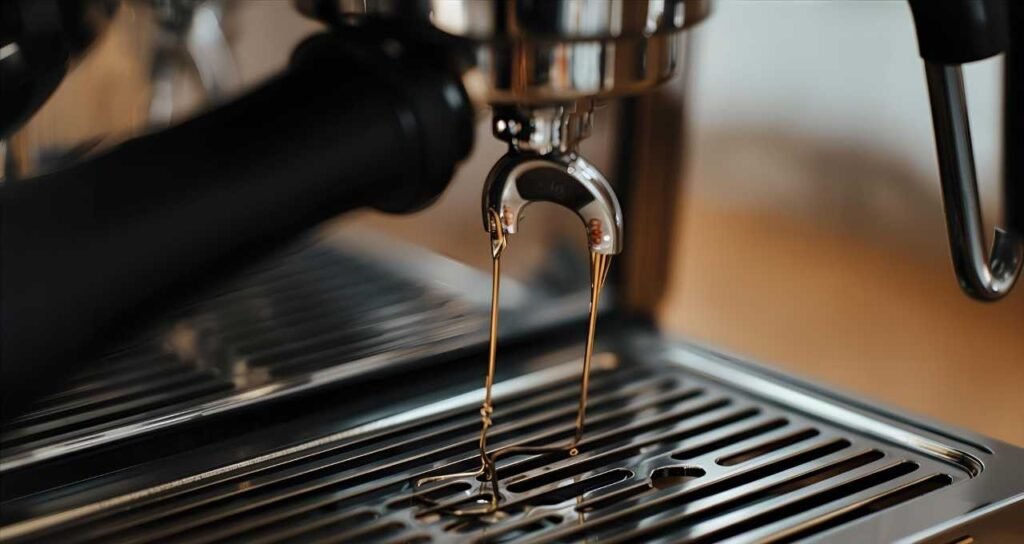
In the daily ritual of millions, the coffee machine is an indispensable appliance. Yet, behind the comforting aroma and the rich taste lies a significant environmental footprint, a large portion of which is dictated by a single, often-overlooked component: the heating element. This small but mighty part is responsible for the vast majority of a coffee machine’s energy consumption. As both consumers and manufacturers grow more environmentally conscious, the technology behind the Coffee machine heating element is undergoing a critical evolution. The industry is moving away from traditional, often inefficient designs toward innovative, eco-friendly alternatives that promise not only a reduced carbon footprint but also enhanced performance.
This article provides a comprehensive comparison between conventional heating elements and their modern, sustainable counterparts. We will delve into the core differences in energy efficiency, material sustainability, manufacturing processes, and overall lifecycle impact. By understanding these distinctions, both consumers can make more informed purchasing decisions and manufacturers can pioneer the next generation of green appliances. The choice of heating technology is no longer just a matter of function; it is a statement of environmental responsibility.
The Old Guard: Understanding Traditional Resistive Heating Elements
For decades, the standard in most consumer-grade coffee makers has been the tubular sheathed heating element. Often referred to by the trade name Calrod, this design is simple, inexpensive to produce, and functionally reliable, which explains its long-standing dominance in the market.
How They Work and What They’re Made Of
The principle is straightforward resistive heating. A coil of wire, typically made from a nichrome (nickel-chromium) alloy, is housed inside a metal tube or sheath, usually constructed from stainless steel or copper. This coil is electrically insulated from the outer sheath by a ceramic powder, most commonly magnesium oxide, which is an excellent thermal conductor but a poor electrical conductor. When an electric current passes through the nichrome wire, it heats up intensely, and this heat is transferred through the magnesium oxide to the outer sheath, which in turn heats the water in the boiler or thermoblock.
The Environmental Drawbacks of Traditional Elements
While effective, this conventional design carries several environmental liabilities that are becoming increasingly significant in a world focused on sustainability.
- Energy Inefficiency and Thermal Lag: The primary issue is thermal mass and indirect heating. The element must first heat itself, then the insulating powder, then the thick metal sheath, and only then the water. This process results in a noticeable “thermal lag,” meaning energy is consumed for a period before the water begins to heat effectively. Furthermore, a significant amount of heat is lost to the surrounding air and machine components rather than being transferred directly to the water, leading to wasted energy during every brew cycle.
- Material Footprint: The extraction and processing of nickel and chromium for the nichrome wire are energy-intensive processes with considerable environmental impact. While the materials are robust, the sheer mass of metal required for the element and its sheath contributes to a larger material footprint per unit.
- Lifecycle and Performance Degradation: These elements are highly susceptible to the buildup of mineral deposits (limescale) when used with hard water. This scale acts as an insulator, forcing the element to work harder and consume more energy to achieve the same water temperature. This progressive loss of efficiency shortens the appliance’s effective lifespan. Eventually, the constant thermal cycling causes the nichrome wire to fatigue and break, resulting in an open circuit and a dead machine, contributing to e-waste.
The Green Revolution: A New Generation of Heating Technology
In response to the shortcomings of traditional elements, engineers have developed several innovative technologies that prioritize efficiency, speed, and sustainability. These modern solutions represent a paradigm shift in how we heat water for our coffee.
1. Thick Film Heaters
Thick film technology is one of the most promising advancements. Instead of a wire coil inside a tube, a thick film heater consists of resistive and dielectric pastes printed directly onto a flat or cylindrical substrate, such as ceramic or stainless steel.
Eco-Friendly Advantages:
- Exceptional Energy Efficiency: With a very low thermal mass and direct contact with the surface heating the water, thick film heaters have a near-instantaneous thermal response. Heat is generated precisely where it is needed, drastically reducing heat-up times and minimizing energy loss. Efficiencies can exceed 98%, a significant improvement over the 80-90% often seen in older tubular designs.
- Material and Space Savings: This technology uses significantly less raw material. The printed layers are microns thick, resulting in a lightweight, compact element that reduces the overall material footprint of the appliance and allows for more innovative product designs.
- Power Density: They can achieve a very high power density, meaning more heat can be generated from a smaller surface area, further contributing to their efficiency and rapid performance.
Efficiency Comparison: Startup Time and Energy Use
| Feature | Traditional Tubular Element | Modern Thick Film Element |
|---|---|---|
| Time to Boil (250ml) | 60 – 90 seconds | 20 – 30 seconds |
| Typical Energy Efficiency | 80% – 90% | >98% |
| Thermal Mass | High | Extremely Low |
| Energy Waste during Startup | Significant | Minimal |
2. PTC (Positive Temperature Coefficient) Heaters
PTC heaters are another intelligent and sustainable option. These are self-regulating heaters made from specialized ceramic materials. Their defining characteristic is that their electrical resistance increases sharply as they reach a specific, predetermined temperature.
Eco-Friendly Advantages:
- Inherent Safety and Energy Savings: As a PTC element approaches its designed temperature, its rising resistance causes it to automatically reduce its power draw. This self-regulating property prevents overheating without the need for external thermostats or thermal fuses in some applications. This not only saves energy by not overshooting the target temperature but also reduces the number of components, simplifying manufacturing and reducing potential points of failure.
- Exceptional Durability and Longevity: PTC heaters are not prone to the burnout failures common in wire-based elements. Their solid-state construction makes them extremely resistant to thermal shock and vibration, leading to a much longer operational lifespan and reducing the frequency of replacement and waste.
3. Die-Casting Heating Elements
A highly effective method for maximizing thermal transfer is the die-casting heating element. In this process, a tubular heating element is placed into a mold, and molten aluminum is injected around it, permanently embedding the heater within a solid metal block (a thermoblock).
Eco-Friendly Advantages:
- Superior Thermal Transfer: This is the key benefit. The perfect, void-free bond between the heating tube and the surrounding aluminum block creates an incredibly efficient thermal pathway. There are no air gaps or inefficient contact points, ensuring that nearly all the heat generated is transferred directly into the block and then to the water flowing through it. This minimizes waste and speeds up heating.
- Enhanced Durability and Protection: The aluminum casting provides a rugged, protective shell around the delicate heating tube, shielding it from physical shock and corrosion. This robust design contributes to a longer service life.
- Design Integration: This approach is a specialty of advanced firms. An expert
electric heating element manufacturercan design and produce these integrated die-cast solutions, creating a single, high-performance component that replaces multiple parts, streamlining the supply chain and assembly process for appliance makers.

Head-to-Head Comparison: Traditional vs. Eco-Friendly Elements
| Feature | Traditional Tubular Element | Thick Film Element | PTC Element | Die-Cast Element |
|---|---|---|---|---|
| Energy Efficiency | Moderate (80-90%) | Very High (>98%) | High (Self-Regulating) | High to Very High |
| Heat-Up Time | Slow | Very Fast | Fast | Fast |
| Thermal Precision | Moderate | Excellent | Excellent | Very Good |
| Material Footprint | Large | Very Small | Small | Medium to Large |
| Lifecycle & Durability | Moderate (Prone to scale/burnout) | Good to Very Good | Excellent (Very long life) | Excellent (Very durable) |
| Manufacturing Complexity | Low | High | Medium | Medium to High |
| Key Eco-Advantage | Low initial cost | Minimal energy waste | Self-regulation, longevity | Maximum heat transfer |
The Bigger Picture: Lifecycle Assessment and Carbon Footprint
When evaluating the environmental impact of a heating element coffee machine, it is essential to consider its entire lifecycle, from “cradle to grave.” This includes raw material extraction, manufacturing, the “use phase” (where it consumes electricity), and its end-of-life disposal.
Lifecycle Carbon Footprint of a Coffee Machine (Illustrative)
- Use Phase (Electricity Consumption): 75%
- Manufacturing & Materials: 15%
- Transportation: 5%
- End-of-Life: 5%
As illustrated, the use phase overwhelmingly dominates the carbon footprint. This is why energy efficiency is the single most important factor in a heating element’s eco-credentials. An element that saves even 10% on energy during every use will have a far greater positive impact over its lifetime than one made from recycled materials that operates inefficiently.
Eco-friendly technologies like Thick Film, PTC, and high-efficiency Die-Cast elements directly and dramatically reduce this use-phase impact. Their longer lifespans also reduce the frequency of manufacturing and disposal, shrinking the impact of the other lifecycle stages.
Making the Switch: A Call to Action for Consumers and Manufacturers
The transition to a more sustainable coffee culture is a shared responsibility.
For Consumers:
- Choose Wisely: When purchasing a new machine, look for terms like “fast heat-up,” “thermoblock,” or “energy-saving.” These often indicate the use of more modern, efficient heating technology.
- Maintain Your Machine: Regularly descaling your coffee machine is the most effective thing you can do to maintain its efficiency, regardless of the element type. A clean element transfers heat better and uses less energy.
- Repair, Don’t Replace: If your machine stops heating, test the components. Often, a simple replacement of the heating element or a thermal fuse can save an otherwise functional appliance from the landfill.
For Manufacturers:
- Innovate and Adopt: The future is in efficient technology. Partnering with forward-thinking suppliers who specialize in custom solutions, from advanced die-casting to integrated Thick Film and PTC systems, is crucial.
- Design for Sustainability: Design products that are not only energy-efficient but also easy to repair. Using a modular Heating Element that can be easily replaced extends the life of the entire product.
- Educate the Market: Clearly communicate the energy-saving benefits and superior performance of your products. An “eco-friendly” label backed by tangible data on energy reduction will resonate with modern consumers.
Conclusion
The humble heating element is at the heart of our daily coffee experience and its environmental cost. While traditional resistive coils have served us for years, they represent an outdated paradigm of inefficiency. The clear advantages of modern technologies—the lightning-fast response of Thick Film heaters, the intelligent self-regulation of PTC elements, and the supreme thermal transfer of Die-Cast solutions—offer a definitive path forward. By embracing these innovations, the coffee industry can deliver a superior product experience that is not only faster and more reliable but also significantly kinder to our planet. The best cup of coffee is one that tastes good and feels good to use, and that future is powered by sustainable heating technology.
Frequently Asked Questions (FAQ)
1. What is the single most energy-efficient type of coffee machine heating element?
Thick film heaters are generally considered the most energy-efficient due to their extremely low thermal mass and direct heating method. This allows for near-instantaneous heat transfer with efficiencies often exceeding 98%, meaning very little electricity is wasted during the heat-up process.
2. Does descaling my coffee machine really make it more eco-friendly?
Yes, absolutely. Limescale buildup on a heating element acts as an insulator, forcing the element to use more electricity and run for a longer time to heat the water to the desired temperature. Regular descaling removes this layer, restoring the element’s ability to transfer heat efficiently. This directly reduces energy consumption with every use, making it a critical eco-friendly maintenance practice.
3. Are coffee machines with eco-friendly heating elements more expensive?
Initially, they can be. The manufacturing processes for advanced technologies like Thick Film or PTC heaters are more complex than for traditional wire-wound elements, which can lead to a higher upfront cost for the appliance. However, this initial investment is often offset over the machine’s lifetime through lower electricity bills and a longer operational life, reducing the need for costly repairs or replacements.
4. How can I tell what kind of heating element is in my coffee machine?
For the average consumer, it can be difficult to tell from the outside. However, clues can be found in the product’s marketing and specifications. Machines that advertise “fast heat-up,” “thermojet,” or “thermoblock” technology typically use more modern die-cast or thick film systems. Machines with very slow heat-up times are more likely to use older, traditional tubular elements in a simple boiler. The only certain way is to consult the manufacturer’s technical specifications or to open the machine (when unplugged and cool) and visually inspect the component.
5. What is a “thermal fuse” and is its function related to eco-friendliness?
A thermal fuse (or thermal cutoff) is a safety device designed to cut power to the heating element if it exceeds a safe temperature, preventing overheating and potential fire. While its primary function is safety, it is indirectly related to eco-friendliness. In PTC heaters, the self-regulating nature can sometimes eliminate the need for a separate thermal fuse, reducing the number of components to be manufactured and disposed of. In traditional systems, a well-functioning thermal fuse and thermostat prevent the element from running uncontrollably, which would be a massive waste of energy.
6. Can I upgrade my old coffee machine with a new eco-friendly Heating Element?
This is generally not feasible for the average DIYer. Heating elements are not universal; they must match the original’s specific voltage, wattage, physical dimensions, and fitting type. Eco-friendly elements like Thick Film heaters are integrated into the machine’s design in a fundamentally different way. While you can replace a failed traditional element with an identical one, retrofitting a completely different technology would require significant re-engineering of the machine’s structure and electronics.
References and Sources:
- Repair and Component Identification: Information on diagnosing and identifying traditional heating elements, thermostats, and fuses was cross-referenced with repair guides from HowStuffWorks and DIY community discussions on forums like Home-Barista.
https://home.howstuffworks.com/how-to-repair-small-appliances3.htmhttps://www.home-barista.com/repairs/testing-heating-element-with-multimeter-t58900.html
- Parts Availability and Types: The variety of heating elements (by brand, voltage, wattage, and fitting) was reviewed across several major online specialty parts retailers to understand the current market for replacement parts.
https://espressocare.com/collections/heating-elementshttps://www.chriscoffee.com/products/rocket-coffee-boiler-heating-elementhttps://greatinfusions.com/home-espresso-replacement-heating-elements/https://coffeeaddicts.ca/collections/elements
- Manufacturing and Technology: Details on modern heating technologies, including die-casting and the range of available solutions for different appliances, were informed by information from industrial manufacturers.
https://jinzho.com/product-category/heating-element/
- Visual Guides: The physical process of accessing and replacing heating elements in various machine types was visually confirmed through instructional videos.
https://www.youtube.com/watch?v=NHaoo0Ld-oMhttps://www.youtube.com/watch?v=brzef5yr0PE
- General Knowledge and Discussion: Broader community discussions on Reddit and other forums provided insight into common failure modes and user perspectives on heating element performance.
https://www.reddit.com/r/diyelectronics/comments/12xuu47/heating_element_in_coffee_maker/