

La función principal de una máquina de café es calentar agua hasta la temperatura de extracción óptima (típicamente 90°C–96°C para espresso). El**cuerpo calefactor**es el componente crítico que permite esto, influyendo directamente en el sabor del café, la eficiencia de la máquina y su vida útil. A continuación, exploramos en detalle sus tipos, parámetros, ventajas y escenarios de aplicación.
**Tipos y Parámetros Técnicos de los Cuerpos Calefactores de Máquinas de Café**
Los cuerpos calefactores de máquinas de café se clasifican en cuatro tipos según su estructura y principio, adaptándose a diferentes escenarios (uso doméstico/comercial, café de goteo/espresso):
**1. Cuerpos Calefactores de Caldera Tradicional**
- **Máquinas Aplicables**: Máquinas de espresso semiautomáticas, máquinas de café totalmente automáticas (ej., La Marzocco Linea Mini, Slayer Single Group).
- **Materiales**Resistividad: 1.45 Ω·mm²/m
- Cuerpo principal: Acero inoxidable de grado alimenticio 316L (alta resistencia a la corrosión, previene la cal del agua dura).
- Tuberías internas: Aleación de cobre (alta conductividad térmica, acelera la transferencia de calor).
- ParametersResistividad: 1.45 Ω·mm²/m
- Potencia: 1.5kW–12kW (1.5–3kW para uso doméstico; 3–12kW para uso comercial).
- Rango de temperatura: 80°C–120°C (control PID preciso ±0.5°C).
- Tiempo de calentamiento: 3–5 minutos para modelos domésticos (calderas de pequeña capacidad); 10–15 minutos para modelos comerciales (calderas múltiples de gran capacidad).
- **Características**: Diseño de caldera independiente (ej., calderas dobles: una para preparación, otra para vapor) evita la interferencia entre vapor y agua caliente, asegurando alta estabilidad de temperatura.
**2. Cuerpos Calefactores de Intercambiador de Calor (HX)**
- **Máquinas Aplicables****Máquinas Aplicables**: Máquinas de espresso semiautomáticas (ej., Rancilio Silvia, Rocket Espresso R58).
- **Materiales**Resistividad: 1.45 Ω·mm²/m
- **Materiales**: Cuerpo principal: Tubo helicoidal de cobre (alta conductividad térmica + resistencia a la corrosión).
- Carcasa exterior: Acero inoxidable 316L (a prueba de fugas, fácil de limpiar).
- ParametersResistividad: 1.45 Ω·mm²/m
- **Potencia**: 2kW–6kW (unidad HX individual).
- **Rango de temperatura**: 85°C–96°C (depende de la temperatura del agua de la caldera principal; requiere precalentamiento).
- **Velocidad de calentamiento**: Alcanza la temperatura de extracción en 1–2 minutos (utiliza el calor residual de la caldera principal para un calentamiento rápido).
- **Características****Características**: El agua fluye a través de tubos de cobre, intercambiando calor con vapor/agua a alta temperatura de la caldera principal. El tamaño compacto y el bajo costo lo hacen ideal para modelos con espacio limitado.
**3. Cuerpos Calefactores de Película Gruesa**. **Máquinas Aplicables**: Máquinas de goteo domésticas de alta gama, cafeteras portátiles (ej., Technivorm Moccamaster KM4).
- **Máquinas Aplicables****Materiales**: Sustrato: Aleación de aluminio 6061 (ligero + alta conductividad térmica).
- **Materiales**Resistividad: 1.45 Ω·mm²/m
- Capa calefactora: Pasta de molibdeno-manganeso impresa y sinterizada a altas temperaturas (espesor: 0.1–0.3mm).
- **Potencia**: 800W–2000W (adecuado para 1–2 tazas por uso).
- ParametersResistividad: 1.45 Ω·mm²/m
- **Rango de temperatura**: 60°C–100°C (control con sensor NTC ±2°C).
- **Velocidad de calentamiento**: Alcanza 90°C en 90 segundos (sin inercia térmica, calentamiento instantáneo).
- **Características**: Diseño integrado sin uniones mecánicas; incluye protección contra calentamiento en seco, ideal para calentamiento rápido de pequeña capacidad.
- **Características****4. Cuerpos Calefactores de Cerámica PTC**.
**Máquinas Aplicables**: Máquinas de café en cápsulas, máquinas de goteo americanas (ej., Nespresso Inissia, Keurig K-Classic).
- **Máquinas Aplicables****Materiales**: Sustrato: Sustrato cerámico/de aluminio (aislamiento + disipación de calor).
- **Materiales**Resistividad: 1.45 Ω·mm²/m
- Capa calefactora: Chips de cerámica PTC a base de titanato de bario (características de autolimitación de temperatura).
- **Potencia**: 500W–1500W (baja potencia adecuada para pequeñas capacidades).
- ParametersResistividad: 1.45 Ω·mm²/m
- **Rango de temperatura**: 70°C–120°C (control por punto Curie; reduce automáticamente la potencia en sobretemperatura).
- **Seguridad**: Sin llama abierta; anti-calentamiento en seco (apagado automático a >150°C).
- **Características**: Estructura simple, bajo costo; adecuado para necesidades de calentamiento rápido de una sola taza.
- **Características****Ventajas Principales de los Cuerpos Calefactores de Máquinas de Café**.
Independientemente del tipo, los cuerpos calefactores de máquinas de café deben cumplir tres requisitos fundamentales:
**control preciso de temperatura, conducción eficiente de calor y seguridad duradera**. Las ventajas específicas incluyen:**1. Control Preciso de Temperatura para una Extracción Estable**
**Algoritmos PID + Sensores NTC**: Los modelos comerciales (ej., La Marzocco) utilizan PID para ajustar la potencia, logrando errores ≤±0.3°C, asegurando temperaturas de extracción de espresso consistentes (estándar SCA: 92°C±1°C).
- **Control de Temperatura Multietapa**: Los modelos de alta gama soportan calentamiento segmentado (ej., “precalentamiento → preparación → mantenimiento”) y se adaptan a diferentes necesidades de preparación de café (ej., 85°C para café de filtro manual, 60°C para espumar leche).**2. Conducción Eficiente de Calor para un Precalentamiento Rápido**.
- **Sustratos de Cobre/Aluminio**: Con conductividad térmica ≥200W/m·K (frente a ~16W/m·K del acero inoxidable), la pérdida de calor se reduce en un 30%. Los modelos comerciales alcanzan temperaturas de operación estables en 10 minutos.**Película Gruesa/PTC Autolimitante**: Calentamiento instantáneo sin demoras mecánicas; los modelos domésticos completan el precalentamiento en 30 segundos–2 minutos (ej., Technivorm Moccamaster).
**3. Duradero y Resistente a la Corrosión para una Larga Vida Útil**
- **Acero Inoxidable de Grado Alimenticio 316L**: Resiste la corrosión por iones de cloruro (adecuado para áreas de agua dura); vida útil ≥10,000 horas (modelos comerciales).**Revestimientos de Cerámica/PTC**: Previenen la acumulación de residuos de café, reduciendo el riesgo de incrustaciones en un 50% (ej., cuerpos calefactores PTC en máquinas de cápsulas).
- **4. Seguro, Eficiente Energéticamente y Adaptable a Múltiples Escenarios**: Instant heat-up without mechanical delays; home models complete preheating in 30 seconds–2 minutes (e.g., Technivorm Moccamaster).
3. Durable and Corrosion-Resistant for Long Lifespan
- Food-Grade Stainless Steel 316L: Resists chloride ion corrosion (suitable for hard water areas); lifespan ≥10,000 hours (commercial models).
- Ceramic/PTC Coatings: Prevent coffee residue buildup, reducing scaling risk by 50% (e.g., PTC heating bodies in capsule machines).
4. Safe, Energy-Efficient, and Multi-Scenario Adaptability
- Protección contra Calentamiento en Seco: Apagado automático a >120°C (certificado UL/CE) previene daños por calentamiento sin agua.
- Baja Potencia en Espera: Consumo en espera ≤0.5W (máquinas de goteo domésticas), ahorrando un 20% de energía frente a modelos tradicionales.
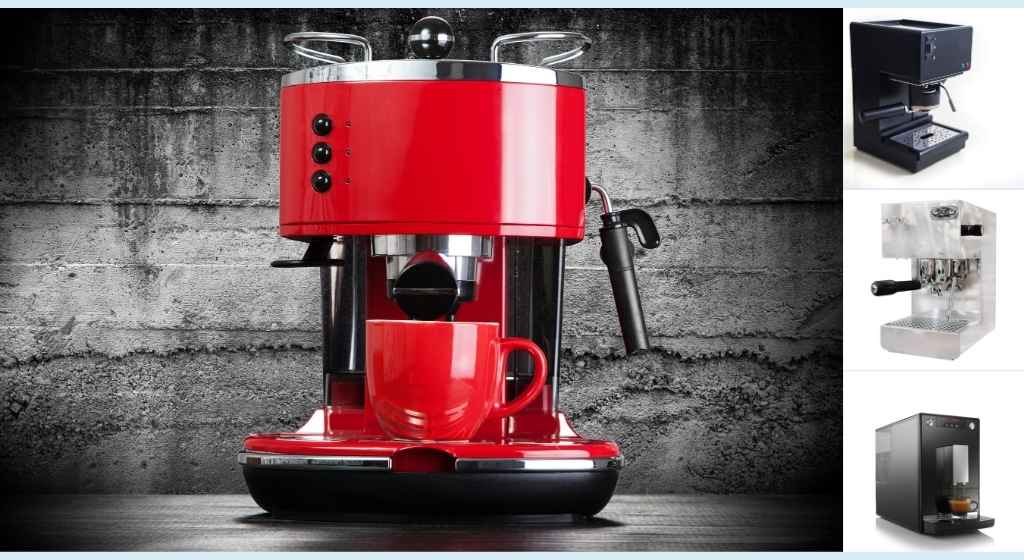
Escenarios de Aplicación Clave y Compatibilidad con Máquinas
| Tipo de Cuerpo Calefactor | Máquinas Típicas | Escenarios Aplicables | Requisitos Principales |
|---|---|---|---|
| Caldera tradicional | La Marzocco Linea PB | Cafeterías comerciales de espresso | Control independiente de temperatura con múltiples calderas, producción continua de tazas |
| Intercambiador de Calor (HX) | Rocket Espresso R58 | Uso doméstico/semicomercial semiautomático | Tamaño compacto, calentamiento rápido |
| Película gruesa | Technivorm Moccamaster KM4 | Máquinas de café de goteo domésticas | Calentamiento rápido, larga vida útil |
| Cerámica PTC | Nespresso Inissia | Máquinas de cápsulas/escenarios portátiles | Bajo costo, diseño seguro contra calentamiento en seco |
Comparación y Recomendaciones de Selección
- Búsqueda del Sabor Definitivo (Uso Comercial): Optar por sistemas de caldera tradicionales (doble/múltiple caldera) para control independiente de temperatura de infusión/vapor, garantizando la máxima estabilidad.
- Equilibrio entre Eficiencia y Costo (Uso Doméstico): Elegir intercambiadores de calor o cuerpos calefactores de película gruesa: compactos, de calentamiento rápido y adecuados para 1–2 usuarios.
- Conveniencia y Seguridad (Cápsulas/Portátil): Seleccionar cuerpos calefactores cerámicos PTC: sin mantenimiento complejo y con diseño contra calentamiento en seco para mayor tranquilidad.
Tendencias Técnicas y Certificaciones
- Inteligencia: Integración de módulos IoT (ej. ajuste de temperatura vía app) permite curvas de temperatura personalizadas (adaptables a café de filtro/café helado).
- Protección Ambiental y Ahorro Energético: Uso de materiales de aleación de baja resistencia (ej. aleaciones de níquel-cromo) reduce el consumo energético un 20%; algunos modelos incluyen recuperación de calor residual (ej. intercambio con tubos de cobre).
- Cumplimiento de Certificaciones: Cumple con estándares de seguridad como UL 1082 (EE.UU.), CE (UE) y GB 4706.1 (China). Los materiales en contacto con alimentos superan la certificación LFGB.
Conclusión: El cuerpo calefactor es un componente central que determina la calidad del café y el rendimiento de la máquina. La selección debe priorizar tres indicadores clave: precisión del control de temperatura, eficiencia de conducción térmica y durabilidad, basándose en el escenario (doméstico/comercial), las necesidades (estabilidad del sabor/eficiencia) y el presupuesto.
Acerca de Zhongshan Jinhong Electric Heating Technology Co.
Como líder en hornos fabricante de elementos calefactores, ofrecemos:
Kits de reparación profesional: Incluyen elementos previamente probados, herramientas de torque y manuales de instrucciones
Soporte técnico: Asistencia de ingeniería multilingüe 24/7
Soluciones personalizadas: Elementos compatibles con OEM con certificación militar MIL-STD-810G
Ventajas principales:
Prototipado rápido en 48 horas
Certificaciones mundiales: CE, UL, GS, RoHS
Garantía de por vida en elementos premium

